Atlassian’s New Usage Meters Change the Renewal Conversation
By Christopher Di Maio6 min read
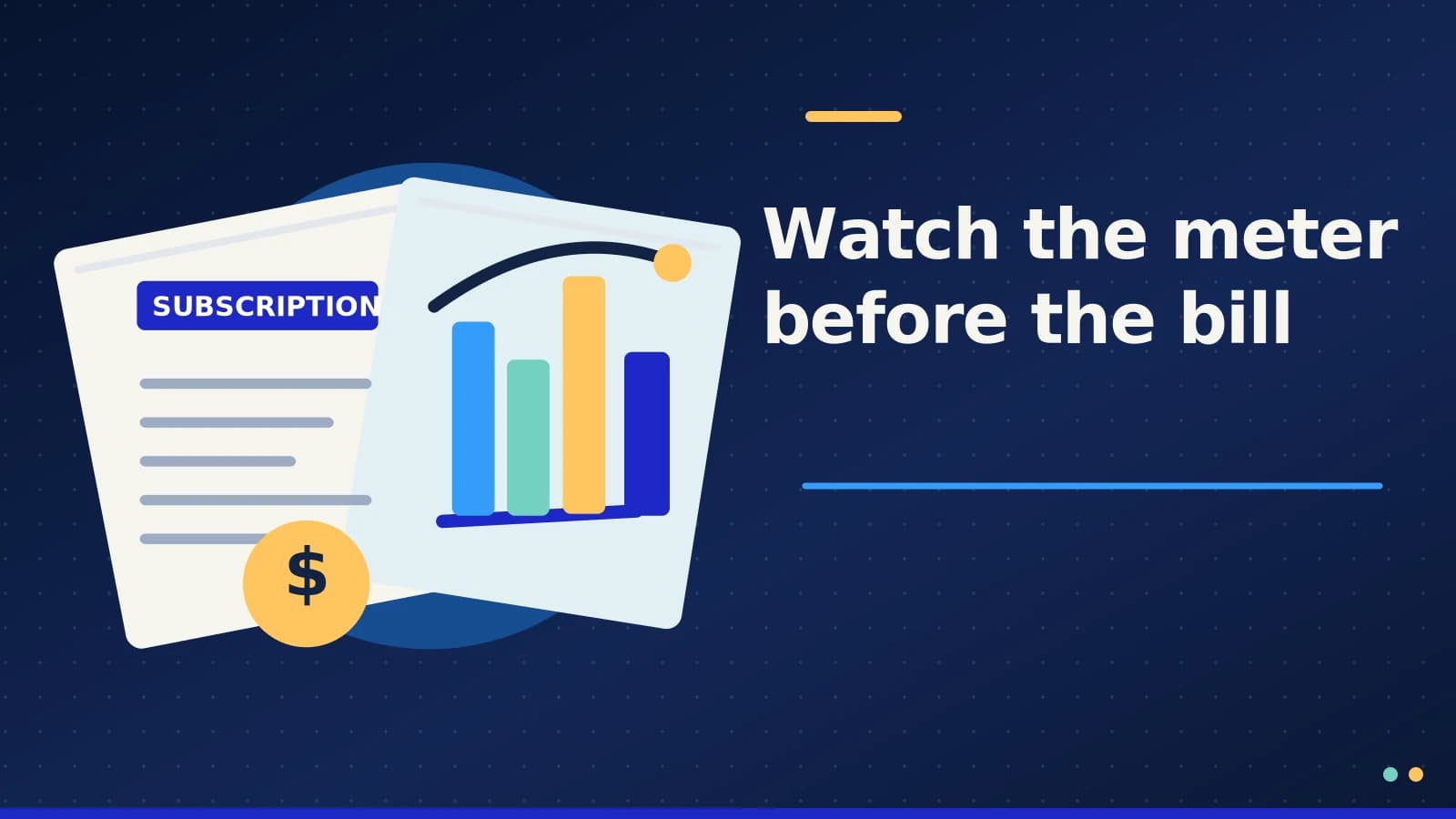
Would you approve a technology renewal if the subscription price looked familiar but you couldn’t explain the charges that might appear next month? That’s the question I’d put on the table before a client agrees to a larger commitment. A recurring service has to earn its place in the budget, and the invoice should make sense to the people paying it.
Atlassian gave its customers a concrete reason to have that conversation. In its Sept. 1, 2026 pricing announcement, the company outlined expanded usage meters for capabilities including Rovo credits, automation steps and AI agent resolutions. Atlassian said allowance limits and billing for those meters would take effect Dec. 3. The announcement describes included allowances and administrator controls; it does not mean every customer will face an extra charge. Still, a service review based only on the number of seats is now missing part of the picture.
The price on the contract is no longer the whole question
A seat price is easy to put in a spreadsheet. A usage meter requires a conversation about what the business actually does with the service. Which teams trigger the expensive work? Is that work supporting an important process? What happens when the organization approaches the included allowance? Can the client see it coming?
Those questions are commercial, not just technical. A client relationship is healthier when both sides know what the service is expected to deliver and what might change its cost. Waiting until the first surprising invoice turns an ordinary planning discussion into an argument.
Atlassian’s announcement distinguishes among several categories of metered activity. That’s a reminder not to treat every unit as equal. A resolution that completes a customer request is not the same kind of event as one more automation step. A business needs its own definition of a successful outcome before deciding whether the added usage is justified.
Review usage without turning the meeting into an upsell
When an account is growing, it’s easy to interpret more activity as a reason to buy more. Sometimes it is. Sometimes the workflow is doing unnecessary work, the wrong people have access or the team has built a process nobody has revisited since launch. The relationship deserves an honest review of those possibilities.
I’d start with the current allowance and the controls that are available. Atlassian describes administrator visibility and options for managing additional usage. Check which meters the customer actually uses. Look at the trend over a reasonable period instead of a single busy week. Then ask which activity would be painful to lose and which could be handled differently.
A partner who always recommends expansion is not providing much judgment. Neither is a partner who reflexively cuts costs while ignoring a service that customers rely on. The better discussion is about what to continue, what to adjust and what evidence would support spending more.
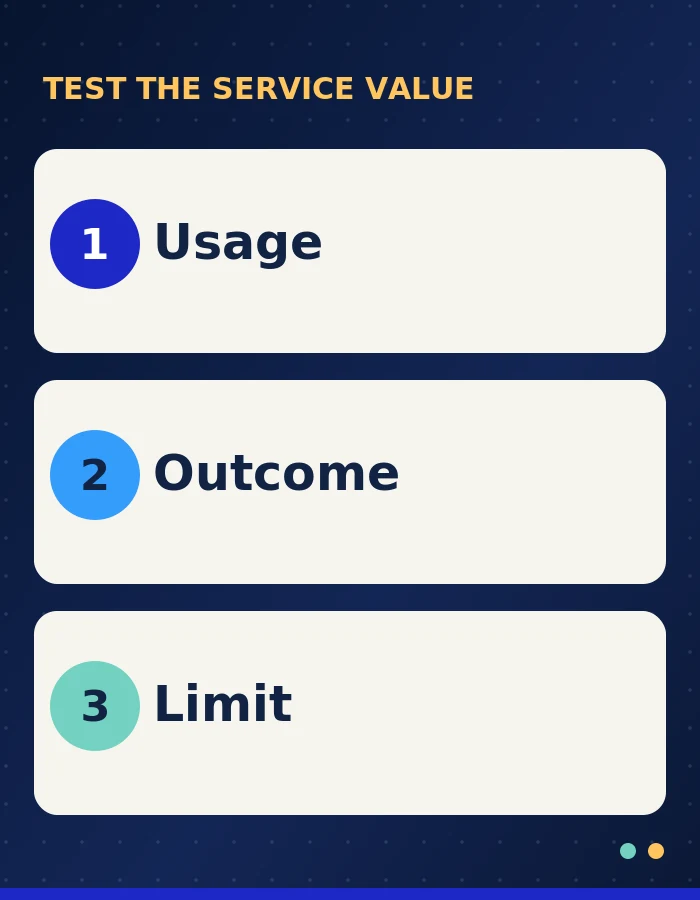
Subscription review: match the usage record to actual outcomes and an agreed spending boundary.Subscription review: match the usage record to actual outcomes and an agreed spending boundary.
A good review includes the people using the service
Billing administrators can explain the account. They can’t always tell you whether a workflow is helping the people who depend on it. That takes a conversation with a service owner or team lead. Have them walk through one routine request from beginning to end. Where does it slow down? How often does someone correct an output or restart the process? Does the work finish where the business needs it to finish?
You don’t need to interrogate every user. A few well-chosen examples and the usage record can expose a disconnect between a healthy-looking service report and the actual experience. If a team can explain why a metered capability saves them time on an important task, that supports the value case. If no one knows who benefits, the next purchase should wait.
Atlassian’s Dec. 3 change also makes timing relevant. A review before the effective date gives customers an opportunity to understand the terms and controls instead of reacting afterward. That doesn’t call for panic. It calls for a straightforward discussion of what the service does and how the bill will behave.
The renewal should end with a decision someone can defend
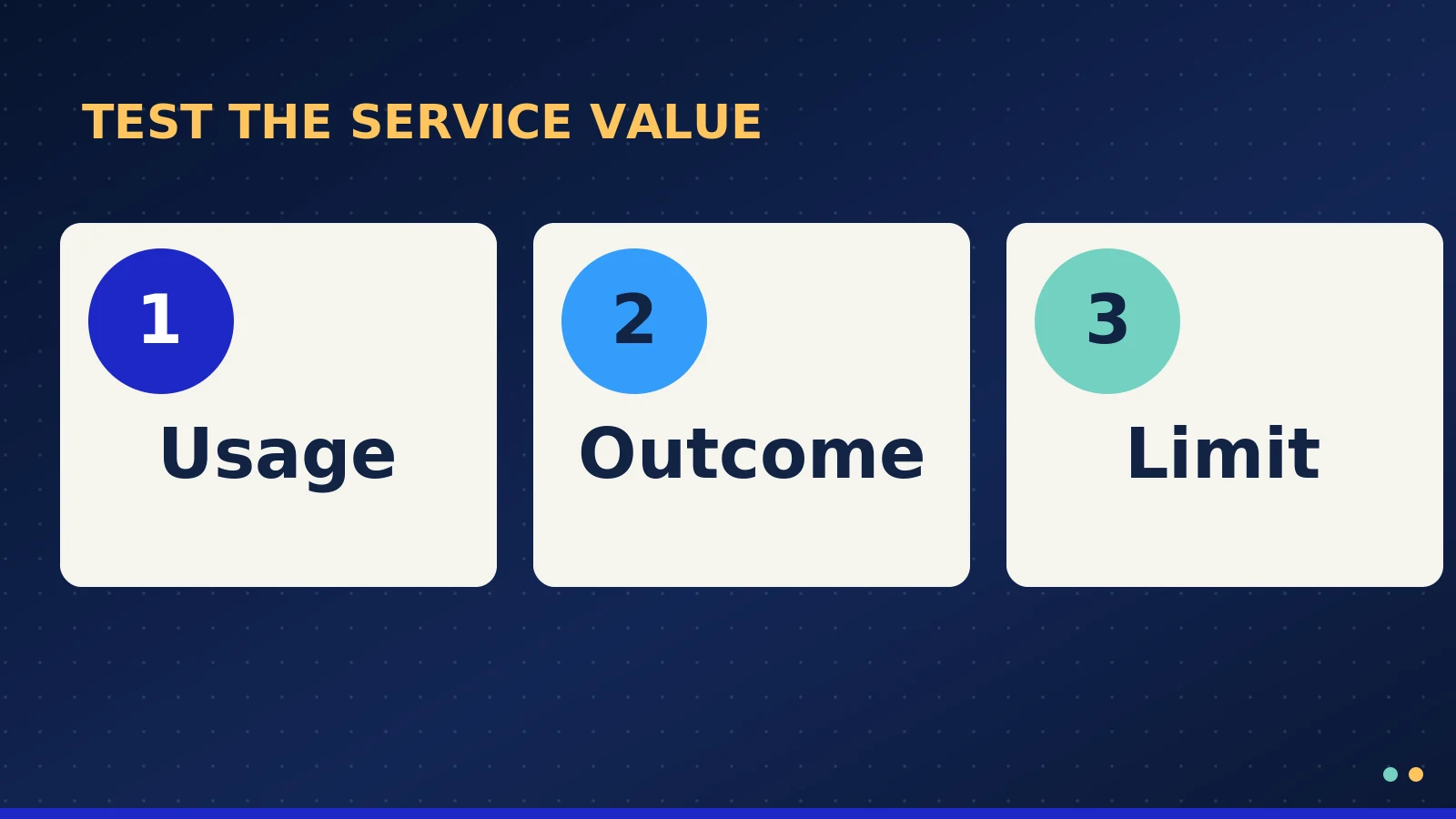
I would want a short record of the outcome: the value the customer expects, the usage pattern to monitor, any agreed limit and the date to review it again. If the service is performing well, say so. If the account needs to change, explain why. If the client would be better served by simplifying the process, that should be an acceptable recommendation too.
At SilverXis, we discuss the fit of a service against the client’s actual work, not just the promise of a platform. Consulting, technical talent and development support should have outcomes the client can recognize. The same principle applies to a subscription you already own. A renewal isn’t proof of success. It’s a chance to ask whether the relationship is still doing the right job.
If your current technology engagement needs an independent conversation about fit and value, book SilverXis’s Free 30-Minute Discovery Call and start with the service you want to review before committing to more.
Christopher Di Maio Senior Client Engagement & Account Growth Leader
Christopher Di Maio leads client engagement and account growth conversations at SilverXis across software, technical talent and digital marketing services. His work focuses on understanding client priorities, evaluating service value and identifying changing needs. He brings a commercial perspective to partner relationships, investment tradeoffs and the signals that warrant reviewing an existing approach.
Have a project in mind?
Tell us what you're working on. We'll share how we'd approach it — no sales script.
No commitment required · Response within 24 hours · Free discovery call
We use cookies to understand how our site is used. Necessary cookies keep the site working. With your permission, we’d also use analytics cookies to improve it. You can change your mind anytime in Cookie settings. Cookie Policy