ChatGPT’s New Ad Format Changes What Marketing Leaders Should Test First
By Charles Jones9 min read
OpenAI began testing a visual ad format in ChatGPT in October 2026. Marketing leaders should start with one offer, a few message angles, one landing page that answers the buyer’s next question and an agreed definition of a qualified inquiry, then expand only when the evidence supports it.
OpenAI announced a new visual ad format for ChatGPT on Oct. 5, 2026. The company says testing will begin in the U.S. with an initial group of advertisers, and the ads will first appear during image generation for people on the Free and Go plans. Ads have run in ChatGPT since February, but this format puts product images in front of people while they are picturing what they want. That changes the job of the message, the landing page and the measurement plan.
In its announcement, “Building advertising for the way people use AI,” OpenAI said the ads will be clearly labeled, will stay separate from the image being created and will not influence ChatGPT’s answers. It also described expanded measurement tools and partners. Those are the company’s stated plans. They aren’t proof that the channel will produce qualified leads for any particular business. A marketing leader should treat the announcement as a reason to design a controlled test, not as a mandate to move the budget.
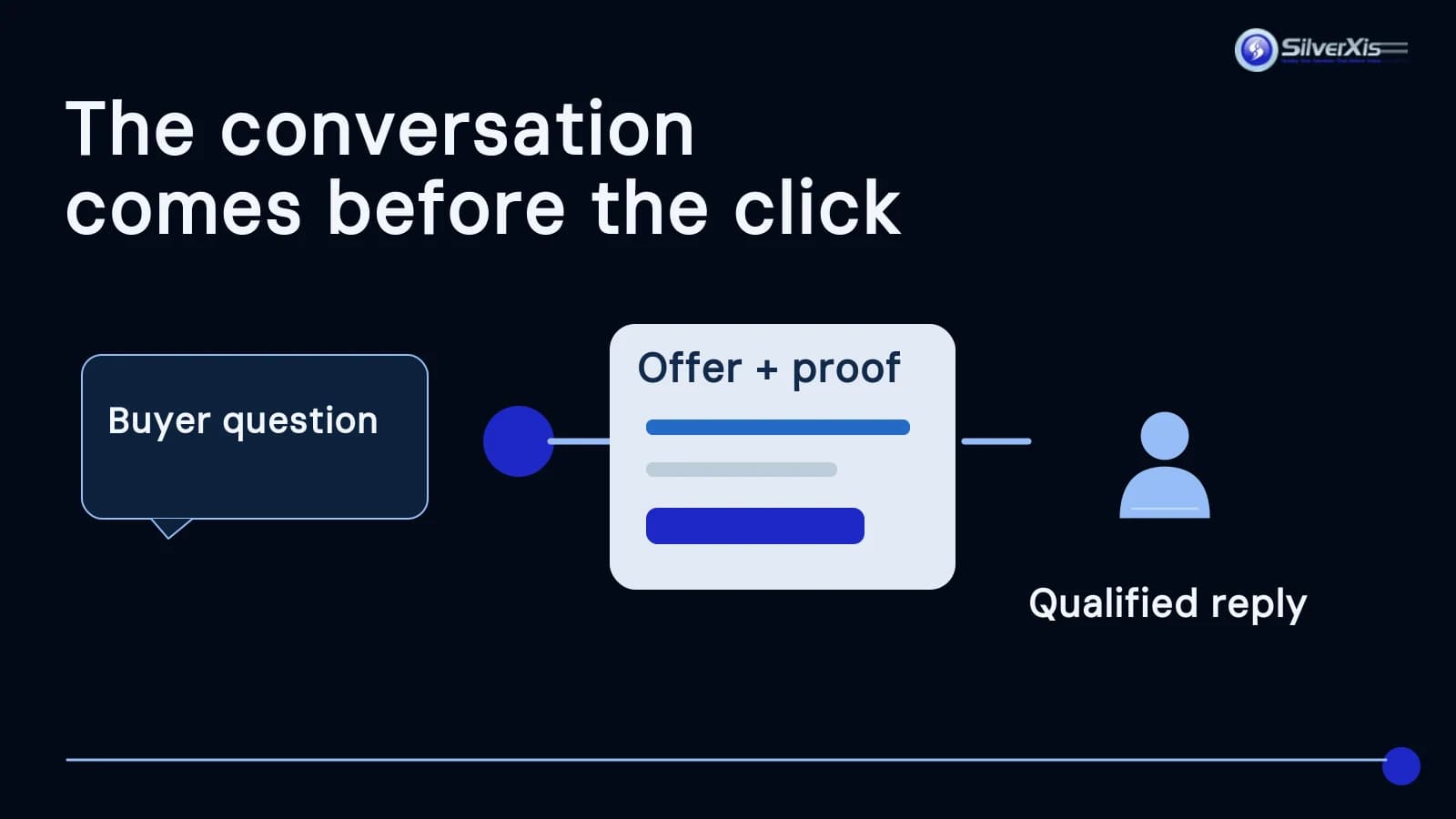
Traditional search advertising has trained us to look for a query, match an offer and send the visitor to a page. A conversation can carry much more context. Someone may describe the problem, compare several approaches and ask which choice fits their circumstances before visiting anyone’s site. As ad formats in ChatGPT expand, an ad displayed along that path will have to earn relevance in the middle of an unfinished decision.
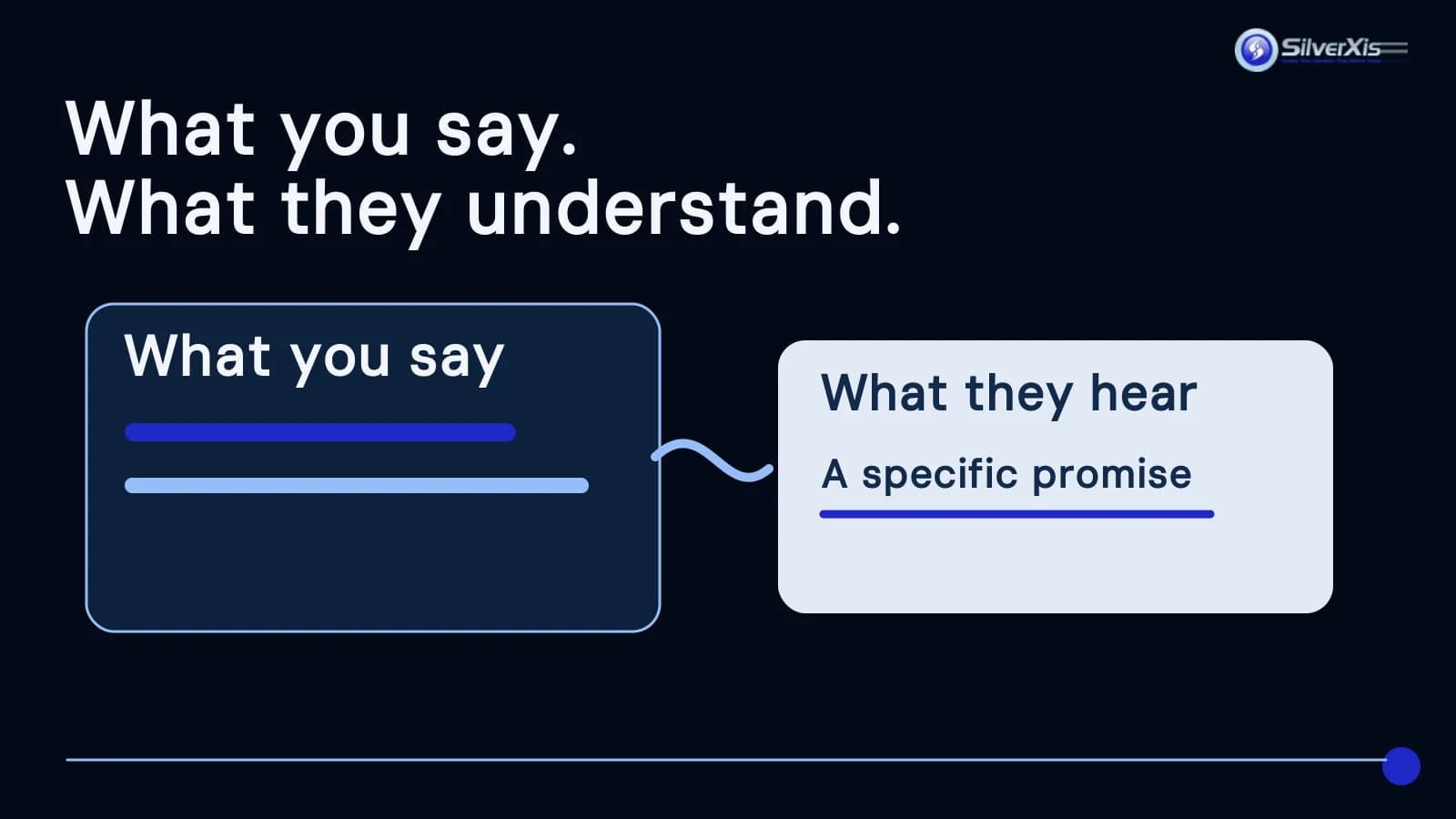
That is a creative challenge and a technology challenge. Your message needs to address the decision the buyer is making. Your site has to support the promise. Your analytics need to distinguish curiosity from an inquiry that sales can act on. A new ad format doesn’t repair a weak connection among those three things.
A question for the media brief: What decision is the buyer trying to make when our offer appears, and what would a confident next step look like?
What should a first ChatGPT ad test include?
The temptation with an emerging platform is to upload a catalog, spread a small budget across many messages and call the early impressions a learning period. That produces activity without telling you much about what worked. For a first test, select one offer with a defined buyer and one action you can recognize as progress. OpenAI’s creative guidance encourages several headline and description variations for each offering, so test a few angles on that one offer rather than many offers at once.
Write down the buyer’s problem in ordinary words. Decide what evidence the ad can show truthfully. Then choose a destination that answers the next question instead of repeating the ad. If the conversation concerns implementation risk, the destination should help a buyer understand responsibilities and the first stage of work. If the conversation is about price, an unrelated brand story will probably interrupt rather than help.
One offer also makes the operational side manageable. The marketing team can check the message, the website team can confirm the path works and sales can agree in advance which inquiries are worth following up. Without that agreement, the campaign report may look encouraging while the people receiving the leads tell a different story.
For the questions to settle before any ChatGPT campaign, see our earlier look at ChatGPT paid ads.
A three-stage scorecard keeps emerging ad inventory tied to buyer progress.
How should you measure a ChatGPT ad test?
A marketing leader doesn’t need to become an expert in every advertising interface. They do need confidence in what happens after a prospect arrives. Check that campaign links are tagged, forms record the relevant source where possible and the CRM can identify whether a response became a genuine conversation. Keep those checks proportional to the test. Building an elaborate reporting system before proving interest reverses the order of work.
This is also a good moment to question the usual dashboard. Impressions tell you that an ad appeared. Clicks indicate some interest. Neither tells you whether the visitor understood the offer or whether the business could help. Review landing-page behavior alongside the quality of inquiries and the questions prospects ask the team. A channel earns a larger investment through buyer progress, not novelty.
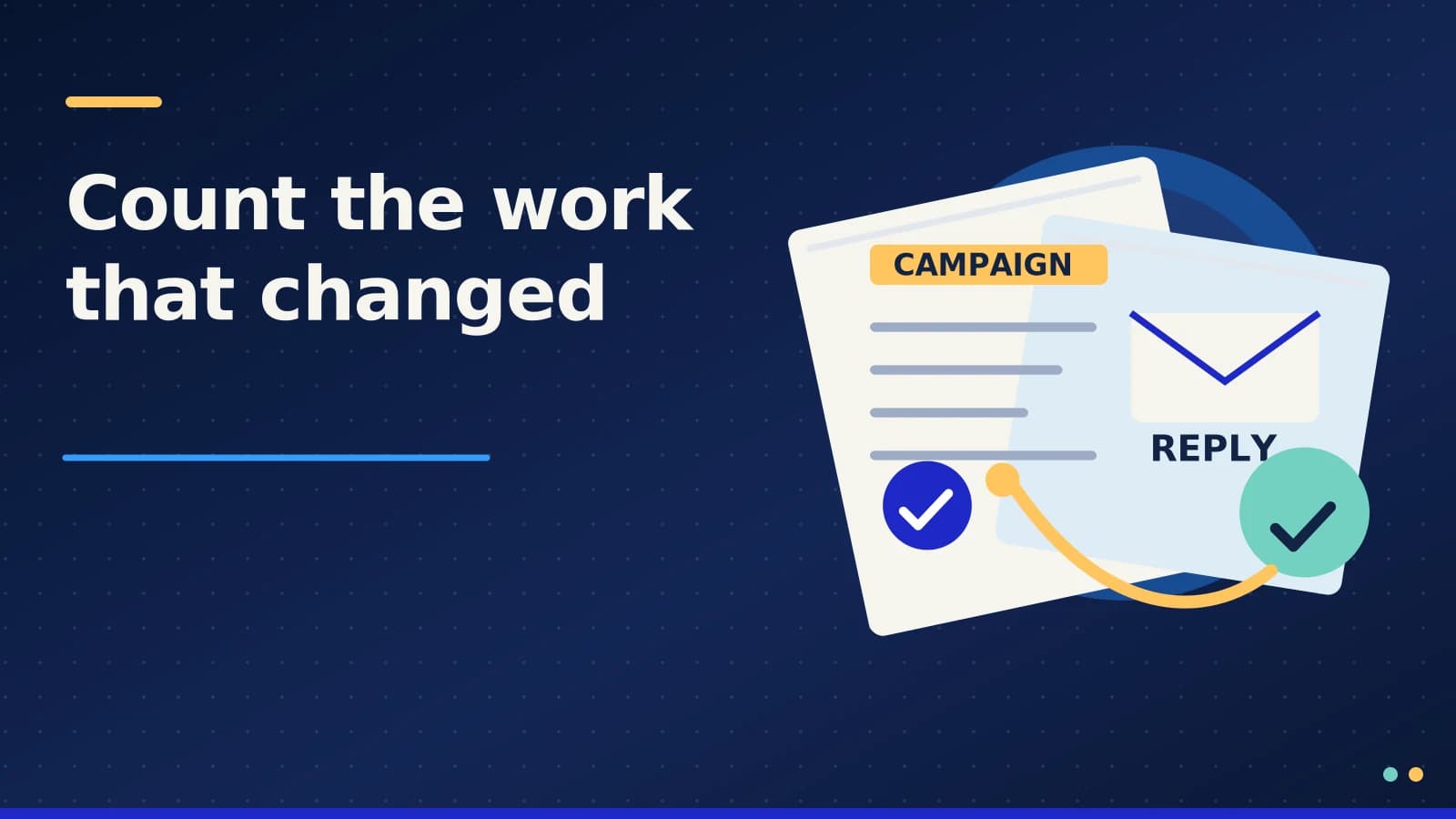
A better first scorecard: Record the offer, the question it answers, the action requested and the number of qualified conversations. Keep impression and click figures as context.
The creative team and the systems team need one brief
In many organizations, a platform announcement becomes a marketing experiment, while web development and sales operations hear about it after the campaign is live. That is an expensive way to learn that a landing page is confusing or a form drops an important piece of context. A short shared brief is better than a long chain of urgent revisions.
Include the exact offer, the buyer’s likely question, the evidence you can show, the page the visitor will reach and the person responsible for the inquiry. Agree on what would make you stop, adjust or expand the test. You may discover that better page copy or a simpler inquiry path will pay off across your existing campaigns before any new inventory is purchased.
SilverXis approaches digital marketing as a connected process: audit the constraint, choose a strategy, build what the campaign needs and measure against business outcomes. That position applies especially to emerging advertising formats. The channel doesn’t determine the strategy. The buyer’s decision does. From an operations view, the brief also protects capacity. If the test works, the people answering inquiries need to know before the volume arrives, not after.
Before increasing spend: Can sales explain why the last five inquiries were or weren’t a fit? If not, improve that feedback loop before scaling.
A sensible next move
OpenAI’s announcement is worth watching because it adds another place a buyer may see an offer while researching. There is no reason to treat that possibility as either a threat to everything you do or a guaranteed source of growth. Put one offer through a disciplined test, examine the questions people bring and invest further only when the evidence supports it.
For help turning that test into a connected campaign, start with SilverXis Digital Marketing Services and choose Build My Strategy to map the message, destination and measures before launch.
OpenAI announced a visual ad format on Oct. 5, 2026. It shows product and service images and will first be tested during image generation for U.S. users on the Free and Go plans. OpenAI says the ads are labeled, stay separate from generated images and do not influence ChatGPT’s answers.
Should marketing leaders move budget to ChatGPT ads now?
Not on the announcement alone. Run one controlled test with a defined buyer, one destination page and a shared definition of a qualified inquiry. Expand only when sales confirms the inquiries are a fit.
How do you measure a ChatGPT ad test?
Tag campaign links, record the source on forms where possible and confirm the CRM can show whether a response became a real conversation. Treat impressions and clicks as context, and judge the test on qualified conversations.
About the Author
Charles Jones Chief Operations Officer
Charles Jones is Chief Operations Officer at SilverXis. His work focuses on the organizational impact of technology, major software initiatives and emerging capabilities. He brings an operations perspective to investment priorities, delivery capacity, adoption and business performance, helping leadership consider what a technology decision will require across the organization.
No commitment required · Response within 24 hours · Free discovery call
We use cookies to understand how our site is used. Necessary cookies keep the site working. With your permission, we’d also use analytics cookies to improve it. You can change your mind anytime in Cookie settings. Cookie Policy