Your Google Business Profile Might Be Your First Sales Conversation
By Jason Dodge6 min read
A customer can decide whether to call a business without ever visiting its website. That’s why I think the Google Business Profile is one of the most neglected pieces of a local marketing program. Businesses spend money polishing their websites, then leave the information customers see in Google Maps or local Search looking like nobody owns it.
Google is direct about what matters. In its guidance on local ranking, it says results are mainly influenced by relevance, distance and prominence. Complete business information helps Google understand what a company offers, and reviews and other signals contribute to prominence. Google doesn’t sell a better local ranking. None of that guarantees placement for a particular business. But it makes the profile a real part of being discovered, not a decorative listing beside the website.
A buyer may meet the profile before the homepage
Think about what someone wants to know when they’re close to choosing a local provider. Are you actually near them? Do you provide the service they need? Are you open when they plan to call? Is the phone number current? What do other customers say about working with you?
A website might explain all of those things somewhere. The profile puts several answers where the search happens. If the address is old or the primary category doesn’t reflect the business, the customer has to work harder to trust the company. Marketing shouldn’t make the first conversation difficult before it even begins.
And this isn’t limited to restaurants. Eligible storefronts and businesses that visit customers in person can use Business Profiles. Google doesn’t allow profiles for online-only businesses that have no in-person customer contact. That qualification matters. A profile should describe an actual eligible business, not serve as a shortcut for creating locations the company doesn’t operate.
The small details turn into expensive misunderstandings
A business may change its hours for a holiday or move to another office and update the website first. If the profile still shows old information, the customer sees two versions of the truth. Which one would you believe? A marketer who only checks website analytics may never notice that the problem started in the search result.
Photos deserve attention too, especially for a business people visit. Real, current images can show the entrance, the workplace or the service offered. They don’t need to be a collection of staged handshakes. A genuine photograph can answer a buyer’s question faster than another paragraph of promotional copy.
Reviews are a similar case. They aren’t just stars to collect. The response to a difficult review can reveal how the company handles a problem. Google recommends responding to customer reviews, and its ranking guidance notes that review signals can contribute to prominence. That is not permission to manufacture praise or buy a better position. The job is to earn feedback and respond like someone is listening.
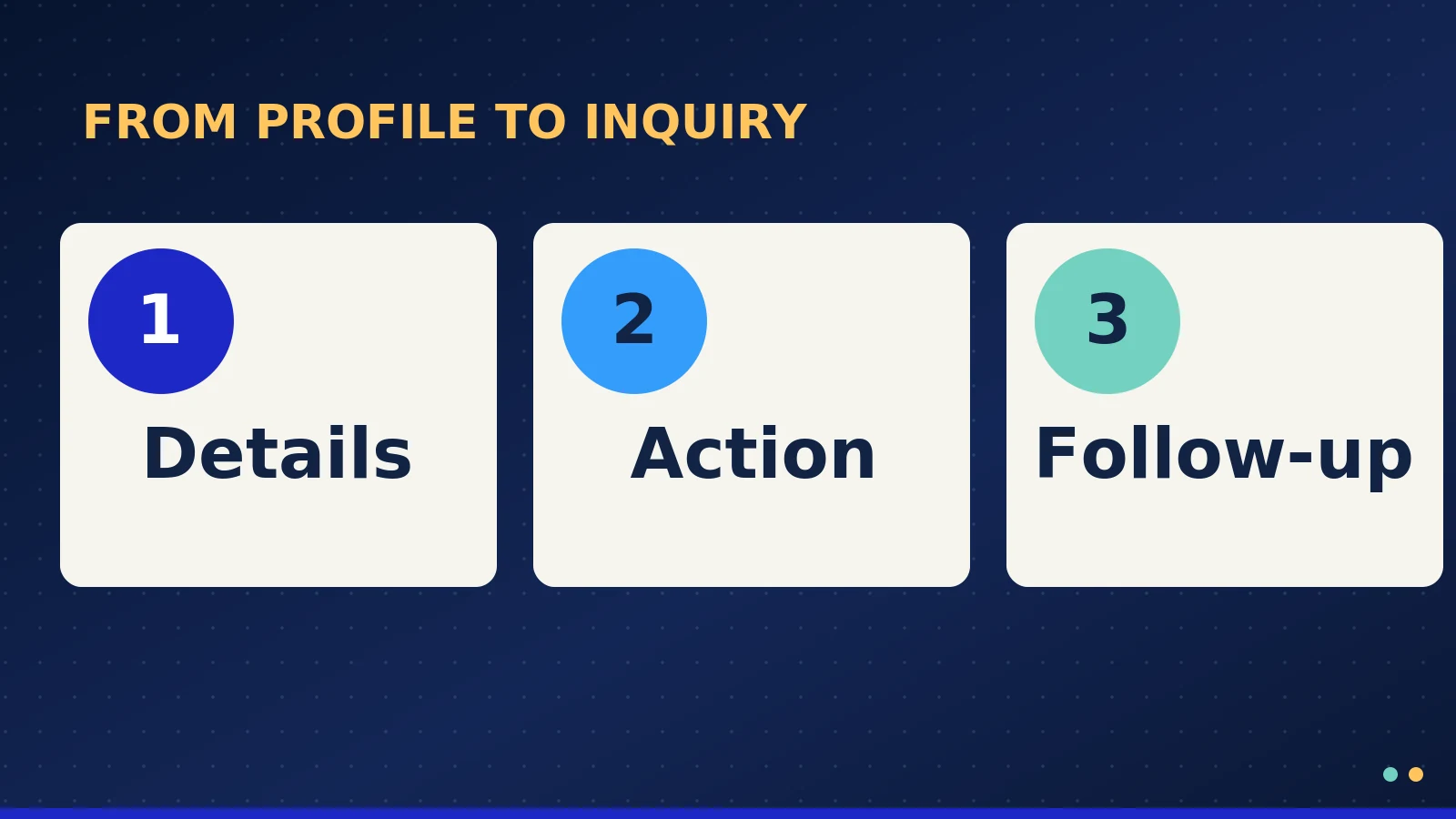
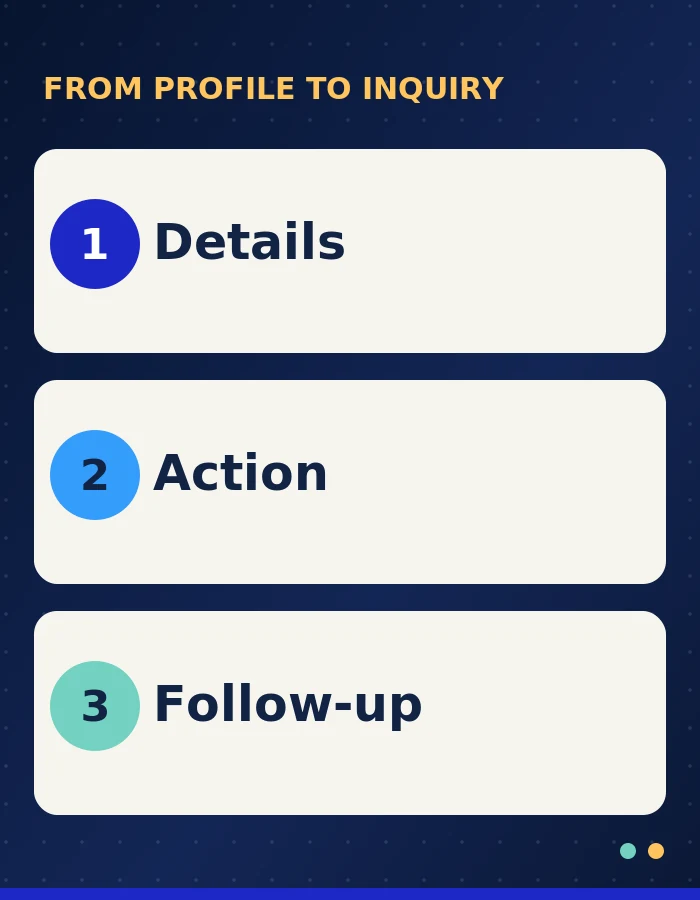
Local inquiry path: accurate business details lead to a customer action that still needs follow-up.Local inquiry path: accurate business details lead to a customer action that still needs follow-up.
Measure actions, then check what happened next
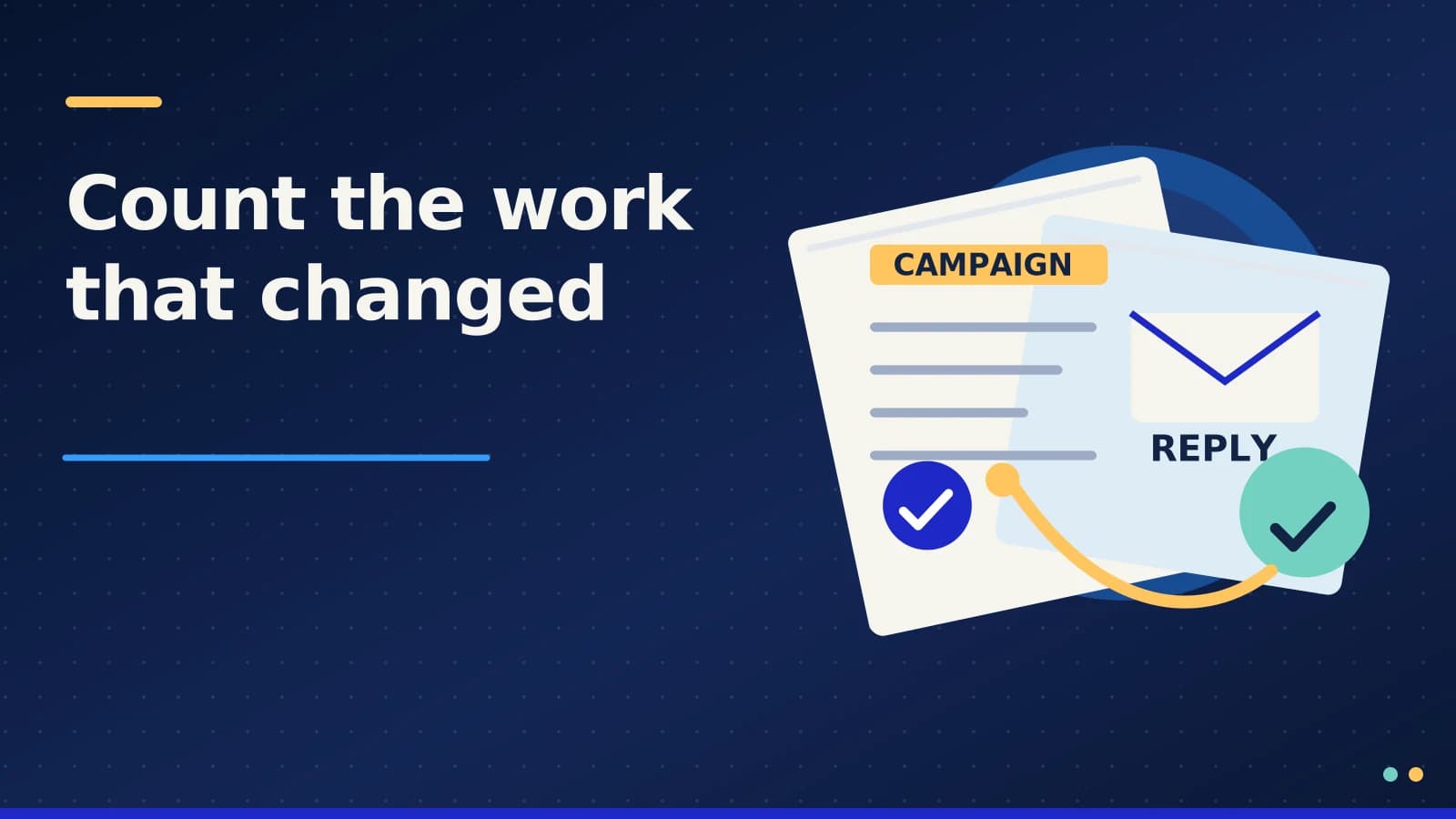
Google Business Profile performance reporting can show views, searches and certain customer actions for verified profiles, with metrics depending on the business. Calls are counted as clicks on the call button, not confirmed conversations. Website clicks are visits initiated from the profile, not proof of a sale. I make that distinction because local marketing can look busy while the phone goes unanswered or inquiries never reach the right person.
Start with a small set of questions. Are people finding the profile for relevant searches? Are they choosing to call or visit the site? Do those inquiries reach someone who can respond? If a call goes nowhere, more profile impressions won’t fix the experience. Tie the available profile data to website and sales information where the systems and permissions allow it.
This should be part of a regular marketing review, not an annual cleanup. Verify the core information, check recent reviews and photos, look for changes that affect the customer and compare the actions with actual inquiries. A modest recurring check beats a heroic overhaul every time the listing becomes embarrassing.
Search, AI answers and local trust share the same foundation
There’s a lot of talk about optimizing for AI-generated answers. I follow that closely. But I don’t think a business should skip the basics while chasing a new discovery feature. SilverXis’s approach to SEO, AEO and GEO starts with accurate, accessible information, pages that answer buyer questions and business details that agree across the website and other legitimate sources. The Business Profile belongs in that work when the company is eligible.
That does not mean Google promises your profile will be cited by an AI system. It doesn’t. What a consistent profile can do is remove contradictions that make a prospective customer hesitate. The website can go deeper on expertise and proof. The profile handles immediate questions about identity, location, service and contact. They serve different parts of the same buying decision.
I’d rather have a business with one accurate, actively managed profile than five polished marketing documents nobody checks. If you want to know whether your search presence is telling customers the same story as your website, request the SilverXis Website Health Score Audit. Select Request an Audit to review the technical, content and trust signals before spending more on traffic.
Jason Dodge is Chief Marketing Officer at SilverXis. He works across industries on marketing strategy, positioning, messaging, design and digital growth. His responsibilities include SEO, AEO, GEO, content strategy, demand generation and performance measurement. He connects emerging marketing capabilities with the practical work of helping businesses communicate their value and attract relevant customers.
No commitment required · Response within 24 hours · Free discovery call
We use cookies to understand how our site is used. Necessary cookies keep the site working. With your permission, we’d also use analytics cookies to improve it. You can change your mind anytime in Cookie settings. Cookie Policy