Getting Your Message Right Is an Act of Editing, Not Inspiration
By Jason Dodge9 min read
A clear marketing message comes from editing, not inspiration. After the headline, a buyer should be able to say what the company helps them do and what the next step is. Test that by asking a prospect to repeat the offer in their own words, then keep the words that helped.
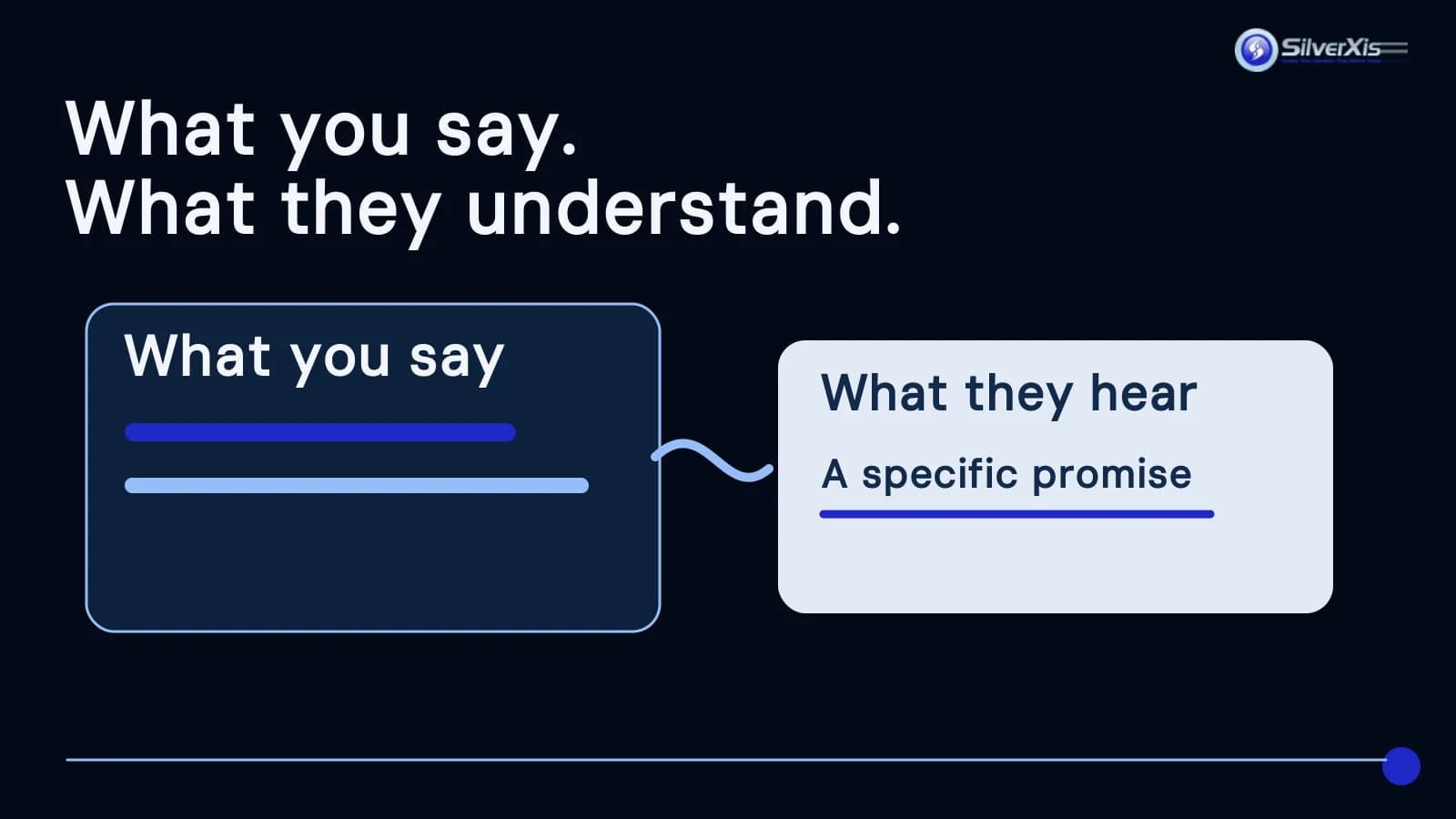
In a July 2026 episode of the REWORK podcast, 37signals co-founders Jason Fried and David Heinemeier Hansson described a change that says a great deal about marketing. The company rebuilt the experience new customers see when they first sign up for Basecamp. Instead of leaving people to figure out an unfamiliar screen, Basecamp 5 walks them through an example project and then helps them start their own. That’s product onboarding, but it’s also a lesson in messaging: a promise isn’t finished when the headline is written. It has to become something the customer understands.
In the REWORK episode on Basecamp 5 onboarding, Fried described the guided introduction and the effort to help newcomers understand both the product and the people behind it. He also acknowledged that it was too early to judge the new version’s long-term results. That restraint makes the example stronger. The work shows an intention and a testable customer experience, not a miraculous conversion claim.
Marketers spend a lot of time polishing the first sentence. We want a line that sounds original, fits the brand and makes people stop. That is only the first part of the job. The second is harder: what happens when somebody who has never met your business asks what that line actually means?
A software company might write about transforming the future of work. A buyer trying to fix missed handoffs wants to know what will change on Monday. Good language connects those worlds without shrinking the business. Specific proof rewards the reader’s attention.
Basecamp’s guided onboarding shows a way to finish that thought. Rather than relying on a list of capabilities, the team gives newcomers an experience of how the product works. The product supplies the evidence for the message. The promise must be recognizable in what a prospect sees next.
The second-sentence test: After the headline, can the reader answer what this company actually helps them do? If not, keep editing.
Write for the buyer’s moment, not your internal vocabulary
The problem with many messages isn’t weak grammar. It’s that they were written from inside the organization. We name departments, platforms and internal methods because those are familiar to us. A prospective customer arrives with a different set of words. They’re describing the work that is late, the opportunity they’re missing or the uncertainty they need to remove.
The solution is not to strip away expertise. It is to translate expertise into something the buyer recognizes, then show the technical depth when it becomes relevant. An ERP buyer needs confidence about cutover risk and data ownership before a list of modules. A business buying custom software wants to understand the problem the system will fix before hearing about the framework used to build it.
Start with real customer questions from sales calls, support conversations and search behavior. Write down the words people use before you introduce the language from your proposal. Then decide which one question the page must answer immediately. Understanding a particular audience gives you room for a memorable line.
A message audit worth doing: Underline the words a customer would use. Circle the words only your internal team uses. Every circled term needs a reason to stay.
Make the promise visible
after the headline.
Headline
A promise
Next screen
Proof and action
The page after the headline should demonstrate the promise.
Design carries meaning whether you planned it or not
Words arrive with type, imagery and layout that tell the visitor what kind of business they’re meeting. A confident sentence buried under a generic photograph may lose its force. A beautiful website with no explanation of the offer may create admiration without inquiry. Design should help the reader find the point and recognize the evidence behind it.
In Basecamp’s public account, the team describes a sample project and an introduction from real people behind the product. Those choices communicate through an experience, not just a slogan. They say something about how the company expects a new customer to learn. Again, the lesson isn’t to imitate Basecamp’s design. It is to make every part of the experience support the same promise.
For a service business, that might mean putting the actual steps of an engagement beside the offer. It could mean using a diagram that shows a handoff the team will own. It could mean replacing a polished but vague hero with the specific business problem and the first decision the buyer has to make. Choose carefully what to leave out.
How do you test a marketing message before launch?
There’s a simple way to evaluate a draft before asking which headline people like best. Show it to someone who fits the buyer, without giving them a speech first. Ask what the business does, who it serves and what the next step would be. Listen for what they repeat in their own words. If they remember the flourish but not the offer, the flourish is doing too much work.
Next, check the message against reality. Can your team deliver the experience it promises? Can a salesperson explain the offer in the same language? Does the contact form ask for a next step that makes sense? Messaging problems often reveal service and process problems that no copywriter can solve alone. That’s why marketing needs a seat in the work, not just in the announcement.
The repeat-back test: Ask a prospect to explain the offer without looking at the page. Keep the words that helped and replace the ones that changed its meaning.
At SilverXis, we connect messaging and content strategy with the website experience and the actions that produce qualified inquiries. We care about getting found through search, including AI answers, but visibility only matters when the right person understands why to contact you. Good SEO, AEO and GEO follow that same principle: answer real questions with evidence and keep the technical foundation sound. None of it rescues an offer the buyer cannot understand. I wrote about the gap between being found and being chosen in an earlier post.
The best message isn’t necessarily the one the team applauds in a meeting. It’s the one a customer can repeat accurately after the meeting ends. If the words, design and next step all support that understanding, you’ve done the harder part of the creative work.
To find where your website loses that connection, request a SilverXis website health score. Choose Request an Audit for a review of SEO, AEO and GEO, technical performance, content quality, user experience and trust signals.
Show it to someone who fits the buyer without explaining it first. Ask what the business does, who it serves and what the next step is. If they remember the clever line but not the offer, keep editing.
What is the second-sentence test?
After the headline, check whether the reader can answer what the company actually helps them do. If the second sentence doesn’t make that clear, the message isn’t finished.
Does messaging affect SEO, AEO and GEO?
Yes. Search and answer engines reward pages that answer real questions with evidence on a sound technical foundation, but visibility only matters when the right buyer understands why to contact you.
About the Author
Jason Dodge Chief Marketing Officer
Jason Dodge is Chief Marketing Officer at SilverXis. He works across industries on marketing strategy, positioning, messaging, design and digital growth. His responsibilities include SEO, AEO, GEO, content strategy, demand generation and performance measurement. He connects emerging marketing capabilities with the practical work of helping businesses communicate their value and attract relevant customers.
No commitment required · Response within 24 hours · Free discovery call
We use cookies to understand how our site is used. Necessary cookies keep the site working. With your permission, we’d also use analytics cookies to improve it. You can change your mind anytime in Cookie settings. Cookie Policy