Microsoft’s New Agent Reporting Leaves Marketers With a Harder Question
By Charles Jones6 min read
Microsoft’s Nov. 17 announcement about measuring AI agents is more interesting to me than another new agent. It gives marketing leaders a way to ask whether the work changed, rather than simply count how many people tried the technology. That should be the standard before an AI pilot earns a permanent line in the marketing budget.
At Ignite 2026, Microsoft introduced Agent 365 Business Analytics and expanded its cost controls. In Microsoft’s announcement, the company described usage views, spend forecasting and recommendations, with Business Analytics in preview. These are product capabilities Microsoft is introducing, not proof that every company’s agents are paying for themselves. The distinction is important when someone arrives at a budget meeting with a chart of hours supposedly saved.
An agent doing work is not the same as a campaign getting better
Marketing teams have no shortage of things to do. There are briefs to prepare, campaign variations to review, leads to route, pages to update and reports to explain. A tool that takes a first pass at one of those tasks might remove some effort. But there’s a difference between producing an output and improving the result of a campaign.
If a system creates ten headline options, the question isn’t whether it created ten. It’s whether the team got to a stronger message faster and whether the finished campaign reached the people it was meant to reach. The same applies to a reporting assistant. It can summarize a chart while missing the reason a sales team rejected the inquiries. Someone still has to connect the answer to the business.
That is why I’d set the desired result before discussing the software. Name the task, the person who checks it, the decisions the output should support and the reason the work matters. Without those four things, usage reports tend to describe activity. They don’t establish value.
Watch what happens after the first draft
It’s tempting to measure an agent against the original manual task. That comparison misses the work the agent creates for other people. A draft can need substantial editing. An automated lead classification can create exceptions for sales. A summary can leave out context that a manager then has to recover by hand.
In marketing, a poor handoff isn’t a small operational detail. It can mean a buyer gets the wrong follow-up or an offer is described differently in the ad, landing page and sales conversation. I would rather see an agent handle one job reliably, with a visible review point, than take a larger role that nobody has time to inspect.
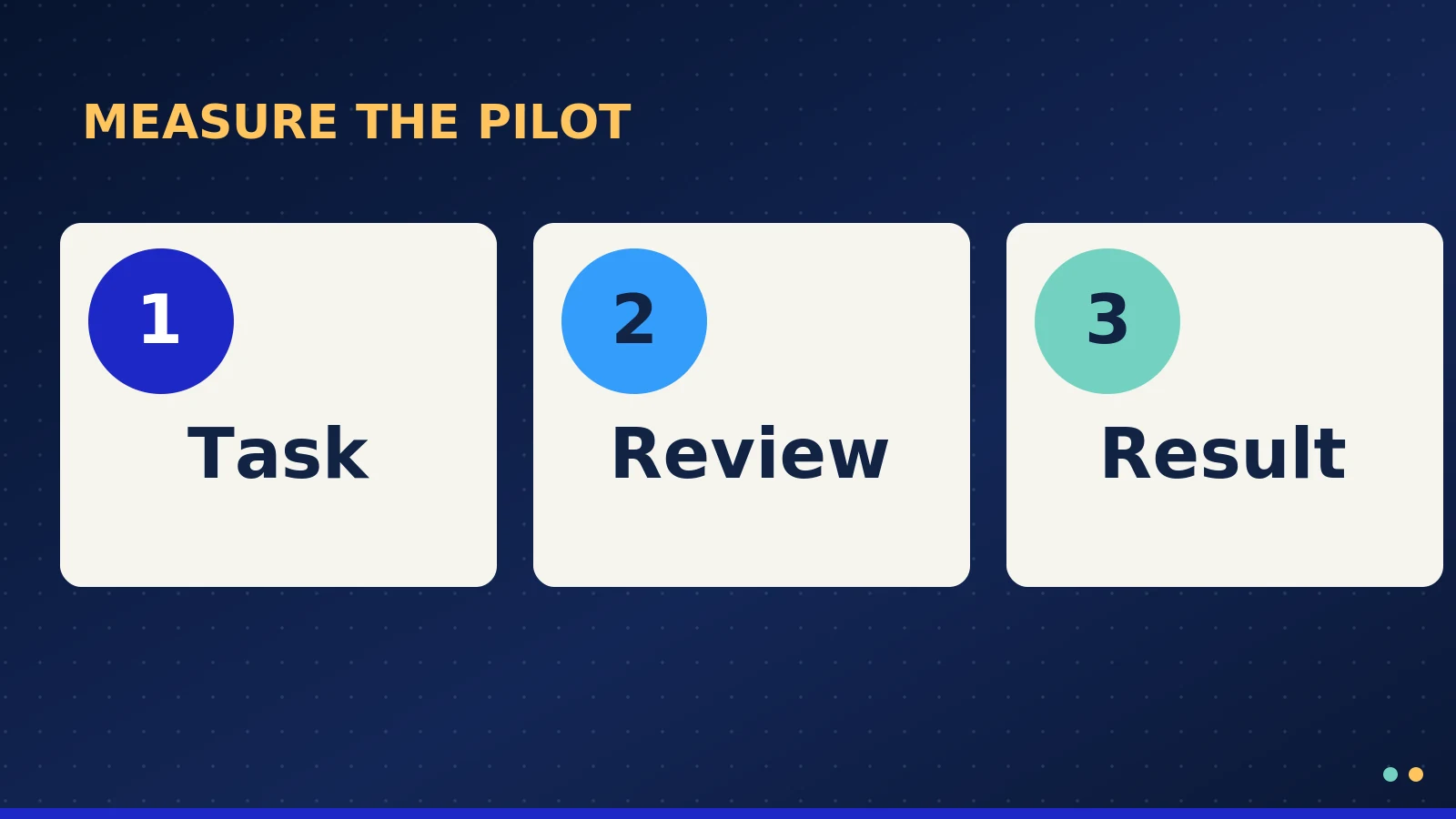
Microsoft’s new controls make cost and adoption easier to see across agents. Marketing leadership still has to define what good work looks like. Start with a baseline from an ordinary week. Record how long the task took, where it waited and how often it had to be corrected. Then run the same checks while the agent is in use. You don’t need a grand productivity estimate to spot whether the process improved.
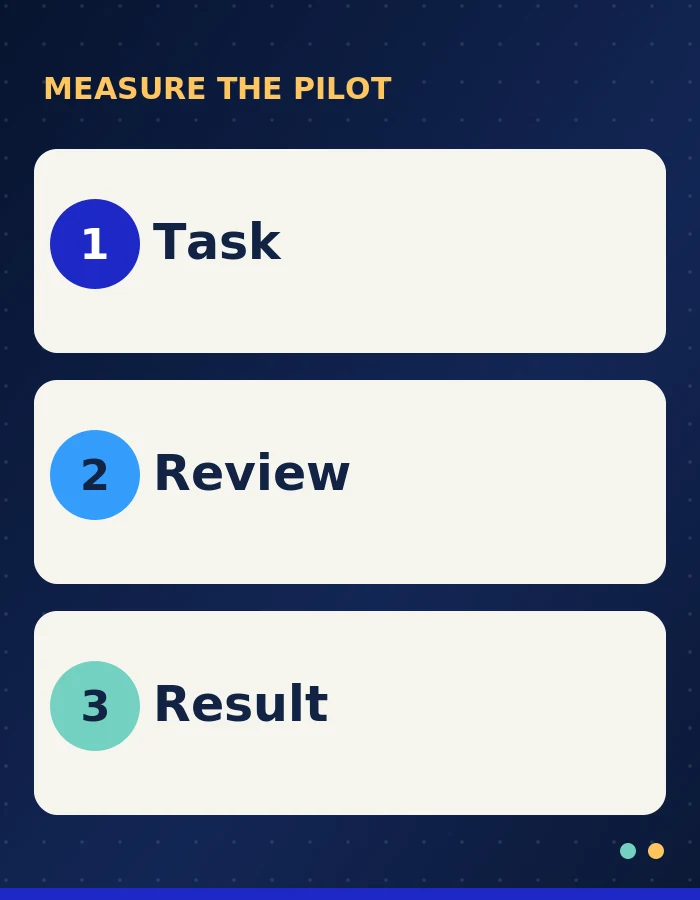
Measurement path: define the task, examine review work and check the resulting customer or sales effect.Measurement path: define the task, examine review work and check the resulting customer or sales effect.
Put the customer outcome beside the cost
Cost controls are welcome. Microsoft’s announcement includes tracking consumption by agent, model, user and service, plus spending limits and alerts. Those controls answer an operational question: Can we see and manage what we’re buying? They do not answer the marketing question: Did we create a better experience for the customer?
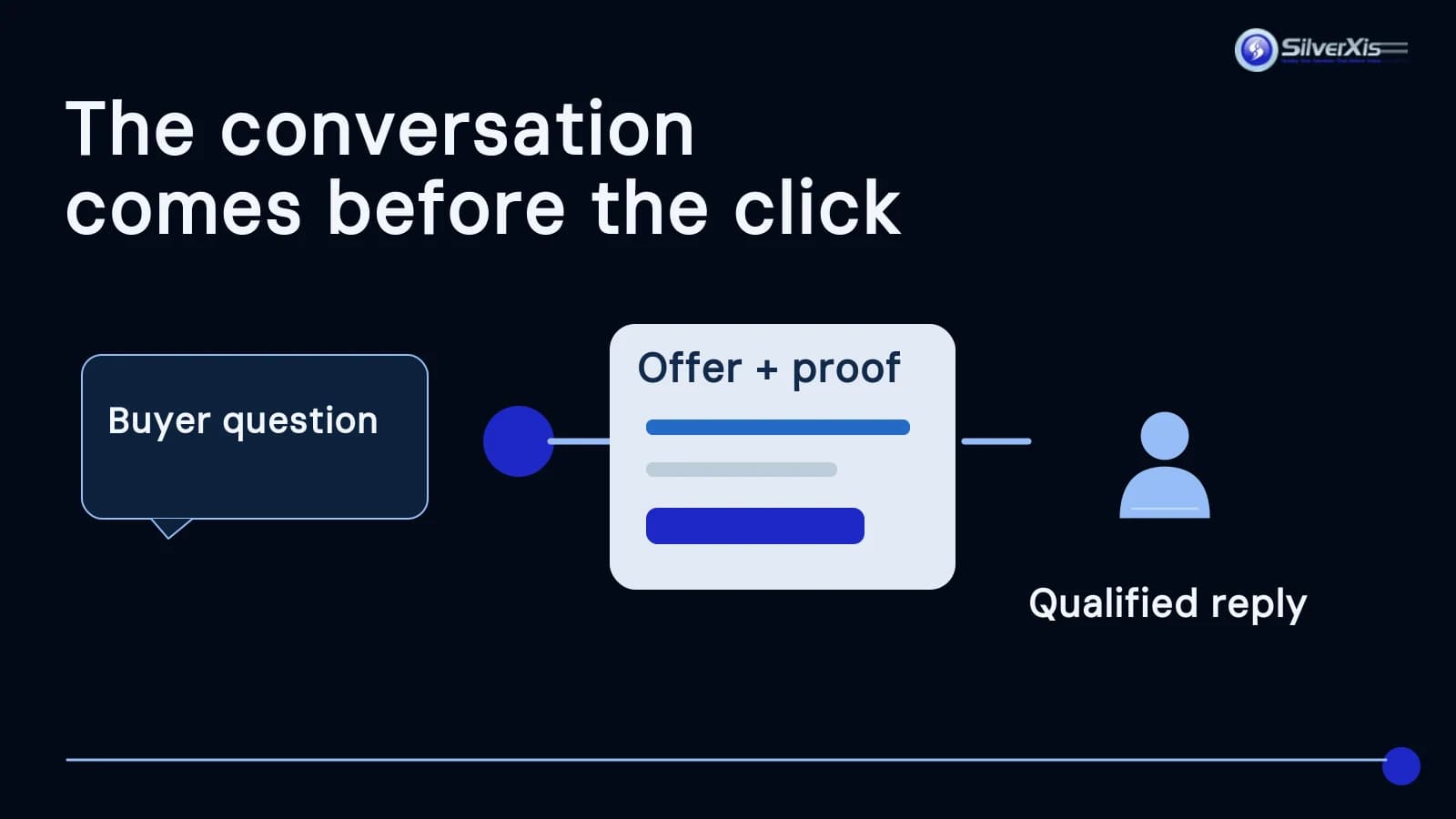
For a lead-routing workflow, the measure might be whether qualified inquiries reach the right person with enough context to act. For a content workflow, it might be how many revisions were necessary before the page answered the buyer’s question. For a campaign report, it might be whether the team made the next budget decision sooner and with sounder evidence. These are different jobs. A single hours-saved number flattens them into something much less informative.
I’d also keep track of the work that ought to stay human. Someone must approve claims, decide how a customer should be treated and determine whether a campaign fits the company’s priorities. Automation can support those choices without being allowed to make them silently.
Make the budget conversation smaller and more honest
A marketing leader shouldn’t need to defend or reject AI as a category. The purchase is a particular capability attached to a particular task. That makes the decision manageable. Which workflow is slow enough to fix? What will it cost to operate and review the new process? Which result would persuade us to expand it? What would make us stop?
At SilverXis, our digital marketing approach starts by finding the constraint, then connecting strategy, implementation and measurement. A tool doesn’t get special treatment because it’s new. If a campaign needs better positioning, faster follow-up or a more reliable website, we should fix the part that’s holding the result back. Sometimes that includes an agent. Sometimes it doesn’t.
Microsoft’s announcement is a welcome sign that the market is moving past counting experiments. Now marketing teams have to supply the missing half of the equation. Show what changed for the people doing the work and for the customers on the other end of it.
If you’re assessing where marketing technology should fit, start with SilverXis Digital Marketing Strategy and select Build My Strategy to map the work, the customer outcome and the measures before buying more tools.
Charles Jones is Chief Operations Officer at SilverXis. His work focuses on the organizational impact of technology, major software initiatives and emerging capabilities. He brings an operations perspective to investment priorities, delivery capacity, adoption and business performance, helping leadership consider what a technology decision will require across the organization.
No commitment required · Response within 24 hours · Free discovery call
We use cookies to understand how our site is used. Necessary cookies keep the site working. With your permission, we’d also use analytics cookies to improve it. You can change your mind anytime in Cookie settings. Cookie Policy