Why Operational Recovery Must Shape Enterprise Software Investment
By Charles Jones7 min read
GitLab had recovery procedures when its database went down in January 2017. Its published postmortem described failed backup arrangements and production data that was lost. For anyone approving a software investment, the lesson is straightforward: You need evidence that the business can recover, not just a plan that says it can.
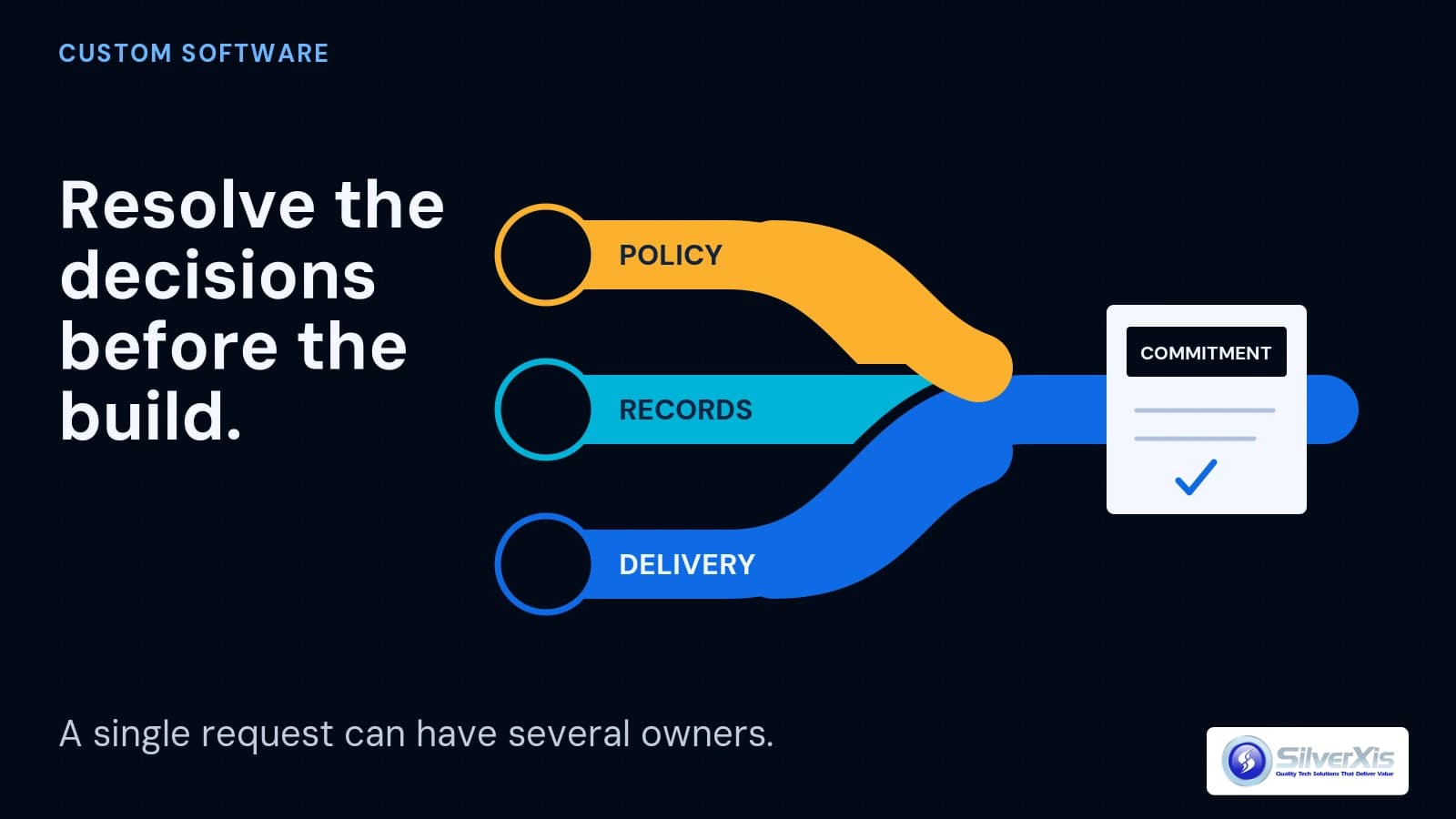
Your technology team can explain how the system will recover. Leadership needs to decide which customer commitments the business can keep during an interruption, who will keep work moving and what happens when service returns. Those answers affect what you buy and what it costs to run.
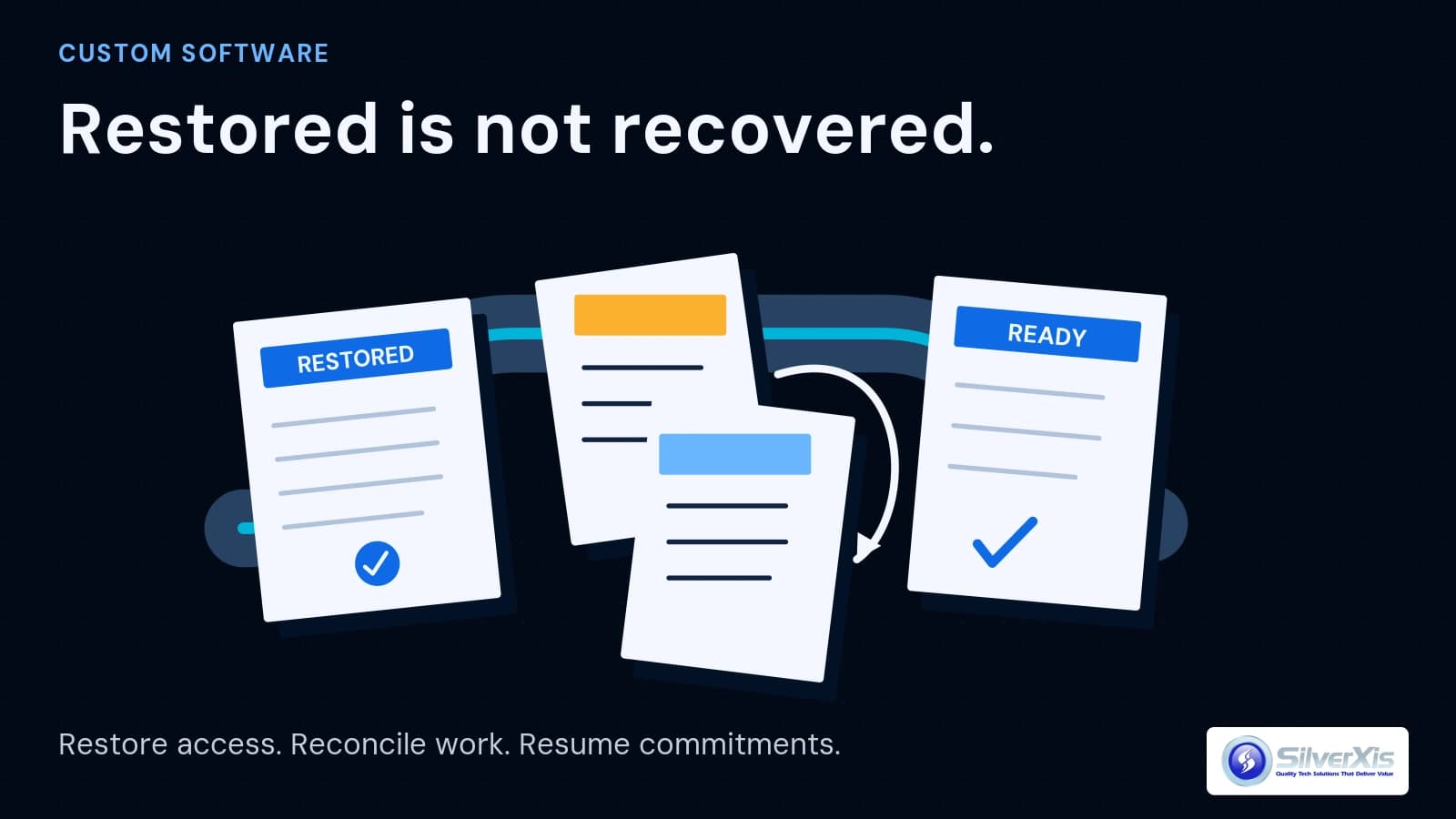
Getting back online isn’t the same as getting back to work
Your technology team can restore an application while your operations team still has a mess to sort out. People can log in, but which transactions went through? Which customers received a confirmation? What needs to be entered again? Resuming normal work before those questions are answered risks adding new mistakes to the original interruption.
Start with the activity your business needs to complete. For an order process, recovery means knowing which orders are genuine, which are duplicates and what you’ve promised customers. A green status light doesn’t tell you that. Someone who understands the work needs the authority and information to say it’s safe to resume.
Who can say you’re ready?
What would your operations lead need to see before authorizing normal work? Ask for the evidence, not the system status.
Set the limits before someone designs around them
There are two decisions your technology team shouldn’t have to make for you: how long an activity can stop and how much recent information your people can reconstruct. Both depend on the promises your business has made and the consequences of getting something wrong. They aren’t simply technical preferences.
You don’t need the same protection for every activity. A management report can have a different priority from a time-sensitive customer commitment. Decide which work has to come back first and explain why. Otherwise, you could spend heavily protecting something that can wait while overlooking a process that can’t.
GitLab’s account also gives you a reason to ask for more than a description of the backup arrangements. Has anyone restored the information and then completed the business process under the conditions you’re planning for? Until that has happened, you have an assumption to test, not evidence that the organization is ready.
DECISION GUIDE
Define the recovery decision.
01
Keep work moving
Who handles the fallback?
02
Reconcile records
What information must agree?
03
Authorize restart
Who accepts the evidence?
Three things to settle before normal work resumes
Give the fallback work a place in the budget
People don’t get extra hours in the day because a system has stopped working. Someone still has to record incoming work, answer customers, approve exceptions and reconcile everything afterward. Calling that a manual fallback doesn’t make it free. It creates work that needs people and time.
Ask who will do it and what they’ll stop doing to make room. Include a backup for the person making operating decisions, not just the person restoring the system. A plan that relies on an already overloaded employee hasn’t solved the capacity problem. It has moved it out of the technology budget.
What will your team put down?
Which regular responsibilities will pause while people handle the fallback? If the answer is none, take another look at the staffing plan.
Make the change small enough to understand
At SilverXis, our approach is to modernize incrementally rather than disrupt the business to replace everything at once. Connecting an existing system can be a better first step than replacing it. When replacement is the right choice, staging the work gives you a chance to examine the consequences before taking on more.
But a smaller release needs more than a shorter feature list. Be specific about which work moves to the new system, which records the team should trust and what would make you stop the transition. Include the effort of running both processes and agree on when the old one can retire.
Those details change how you compare proposals. A larger release might offer more immediate benefit while requiring more temporary staffing and reconciliation. A smaller release might deliver less at first while showing that your organization can manage the change. You need both sides of that comparison beside the development price.
Approve the way the business will operate
Before signing off, ask whether the plan explains the outcome you want, the interruption you can tolerate and the people who will keep things moving. It should also say what must be checked before normal work resumes. Those are commitments leadership can weigh, rather than surprises employees discover after launch.
Which assumption could change your decision?
Choose one untested recovery assumption that could affect your approval. Assign someone to test it before the next funding decision.
You can’t buy a promise that nothing will fail. You can insist on knowing how the business will respond. A stronger software investment plan explains how performance will improve and how your people will keep their commitments when the technology isn’t available.
Before funding the next stage, request SilverXis’s Build Plan (Map My Solution). Start with the business activity you need to keep running and the limits your team has to work within.
About the Author
Charles Jones Chief Operations Officer
Charles Jones is Chief Operations Officer at SilverXis. His work focuses on the organizational impact of technology, major software initiatives and emerging capabilities. He brings an operations perspective to investment priorities, delivery capacity, adoption and business performance, helping leadership consider what a technology decision will require across the organization.
No commitment required · Response within 24 hours · Free discovery call
We use cookies to understand how our site is used. Necessary cookies keep the site working. With your permission, we’d also use analytics cookies to improve it. You can change your mind anytime in Cookie settings. Cookie Policy