7 Signs It’s Time to Bring in an Outside Software Development Consultant
By Jeanie Jones8 min read
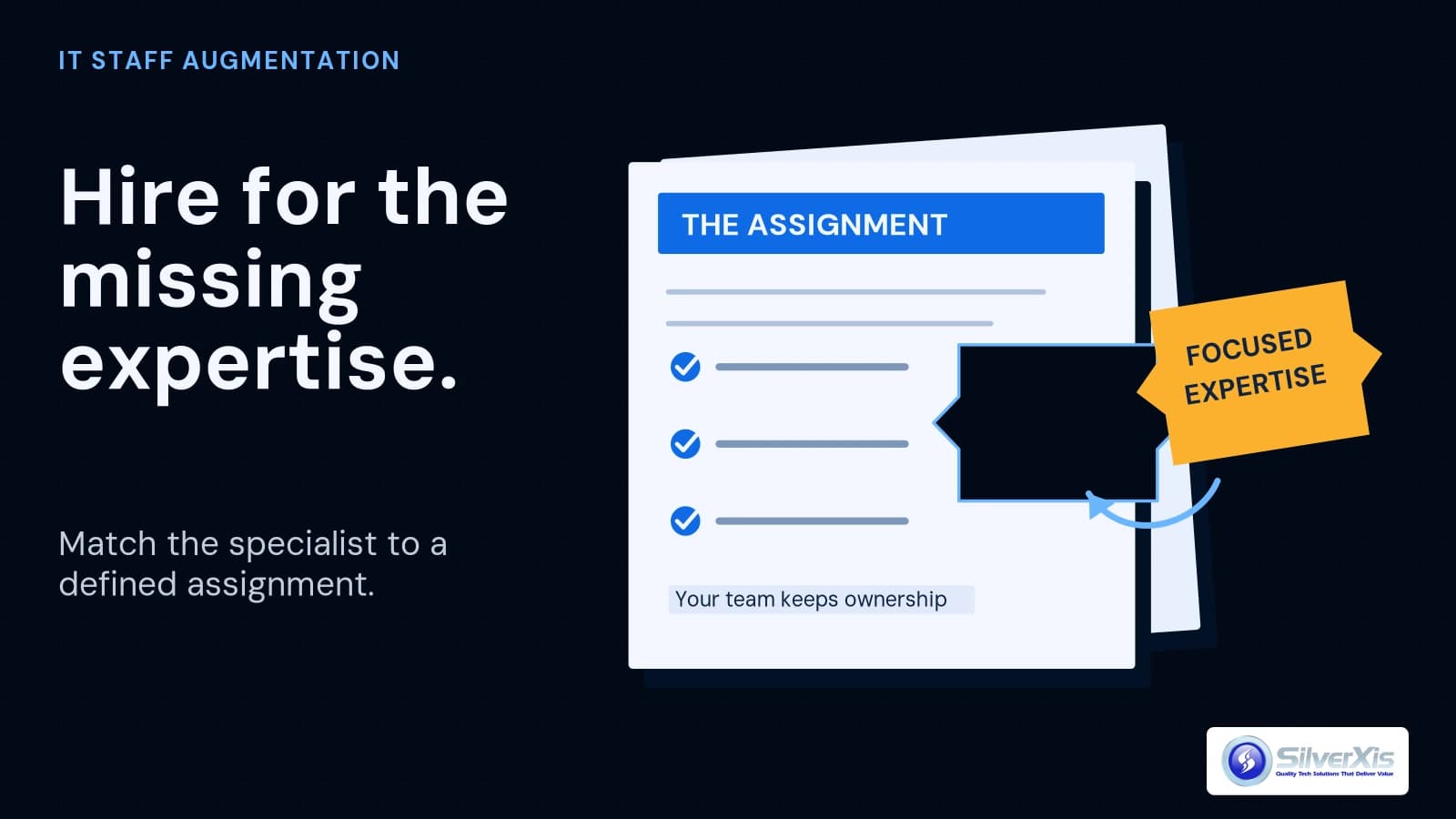
A growing development backlog doesn’t automatically mean you need another full-time employee. You might need one specialist for a few months, someone to help your team make a difficult technical decision or a team to take on a defined project. Before you start looking at resumes, get specific about the help you need.
A professional IT staffing firm should help you work through that choice, not just send candidates who match a list of technologies. Are you short on time, missing a skill or unsure how to proceed? Those are different problems. Here are seven signs that an outside development consultant could be the right next step.
1. The backlog keeps growing, but one kind of work is holding everything up
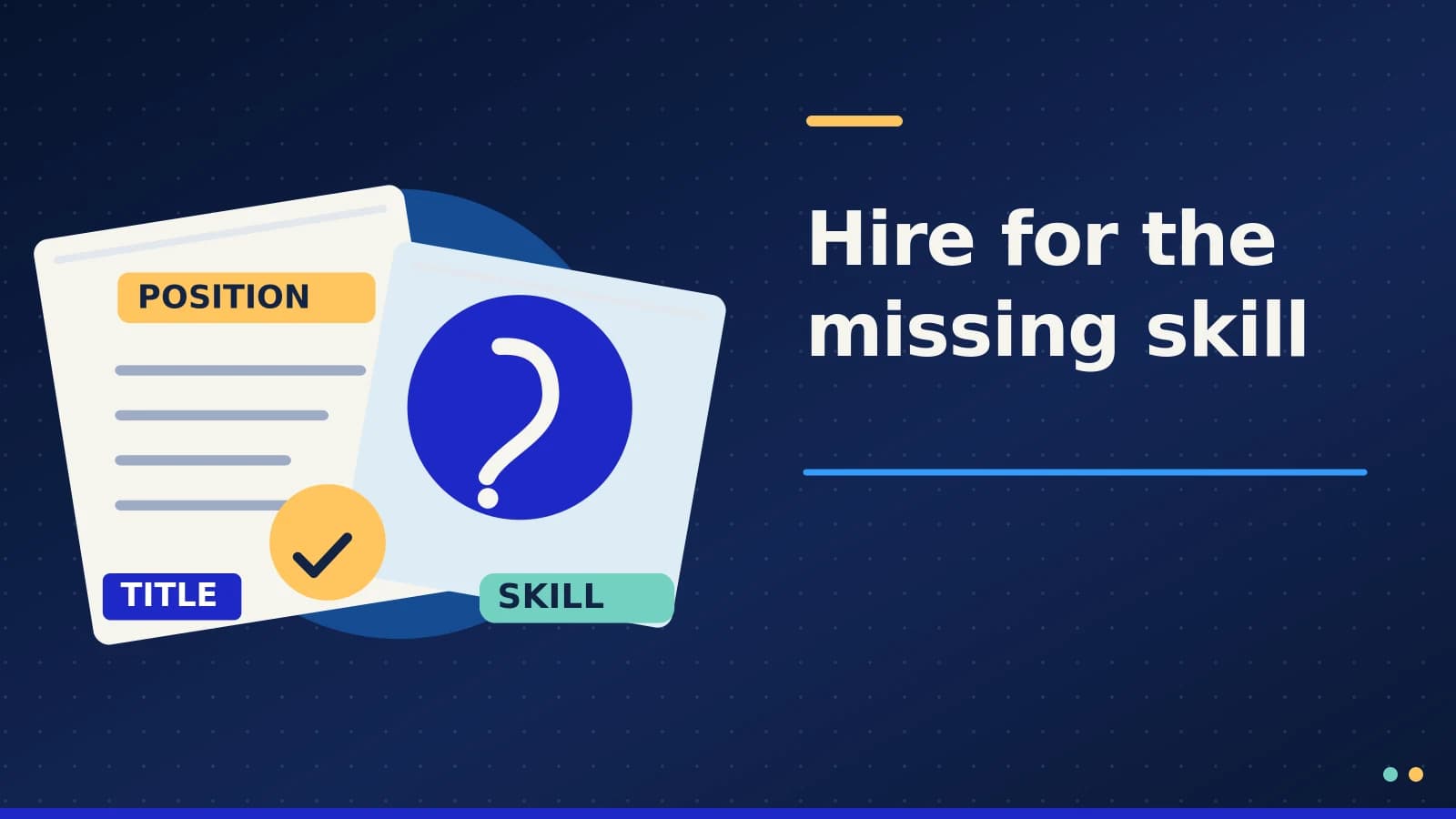
Your developers may be juggling maintenance, customer requests, integrations and a new product. Another generalist could help with the workload. But that won’t necessarily solve the problem if one piece of work needs experience nobody on the team has. Look at what’s waiting and why before deciding whom to hire.
Tell the staffing firm which deliverable is stuck, what that delay means for the business and what experience would help move it forward. That’s a much better starting point than asking for someone who can do everything.
What would move next week?
Name three deliverables that could progress if the missing skill arrived. If that’s difficult, take a closer look at the backlog before requesting candidates.
2. You need a skill your team won’t use year-round
A cloud migration or legacy integration can call for experience your team doesn’t need every day. That doesn’t mean your employees are missing something they should already know. It means the project needs a specialist, and hiring that person permanently may not fit the work.
Ask what happens after the project ends. Will that expertise still be needed? If not, define an assignment with an end point and a handoff. Ask the staffing firm to explain what the candidate has done on similar projects, rather than relying on a list of tools on a resume.
3. A technical decision keeps getting pushed to the next meeting
You can’t solve every delay by adding developers. If nobody is ready to choose an architecture or decide how systems should connect, more people can end up waiting for the same answer. You need help deciding what to build before adding people to build it.
Be specific about the arrangement. Technical consulting helps define the approach. With staff augmentation, a specialist joins your team and your leadership directs the work. A dedicated delivery team takes responsibility for an agreed scope. Ask the firm to explain who makes decisions and who is responsible for delivery.
Who can approve the approach?
If nobody on your team can approve the technical direction, say so at the start. Requesting a developer alone won’t resolve that gap.
4. Everything depends on one developer’s availability
When only one person understands a core integration or older application, every change and question lands on that person’s desk. You don’t have to wait for them to leave before addressing the risk. Outside help can document the system and work alongside other employees while that knowledge is still available.
Make the handoff part of the assignment from the beginning. Include walkthroughs, documentation and time for people to work together. The goal is to leave your team less dependent on one person, not replace one dependency with a consultant you can’t do without.
DECISION GUIDE
Choose the responsibility you need.
01
Approach unresolved
Start with IT Consulting
02
Plan set; client directs
Use Staff Augmentation
03
Scope set; provider leads
Consider a Dedicated Team
Match the kind of help to who will direct the work
5. The project has an end date, but the job description doesn’t
A few months of development work doesn’t necessarily add up to a permanent role. You may need ongoing ownership afterward, or you may need someone to finish a defined piece of work and hand it over. Separate those needs before deciding how to hire.
Write down what finished looks like. Is it a working integration, a migrated application or an approved architecture? Who will maintain it afterward? An end date tells the consultant when the assignment stops. It doesn’t tell either of you what must be completed by then.
Give the assignment two boundaries
Define how long you need the help and what must be finished. Neither answer replaces the other.
6. Your developers need support, not replacement
Your team knows your product, customers and business rules. A specialist should add something to that knowledge, not push it aside. When a technical challenge is the gap, give the consultant access to the employees who understand the business and make working together part of the assignment.
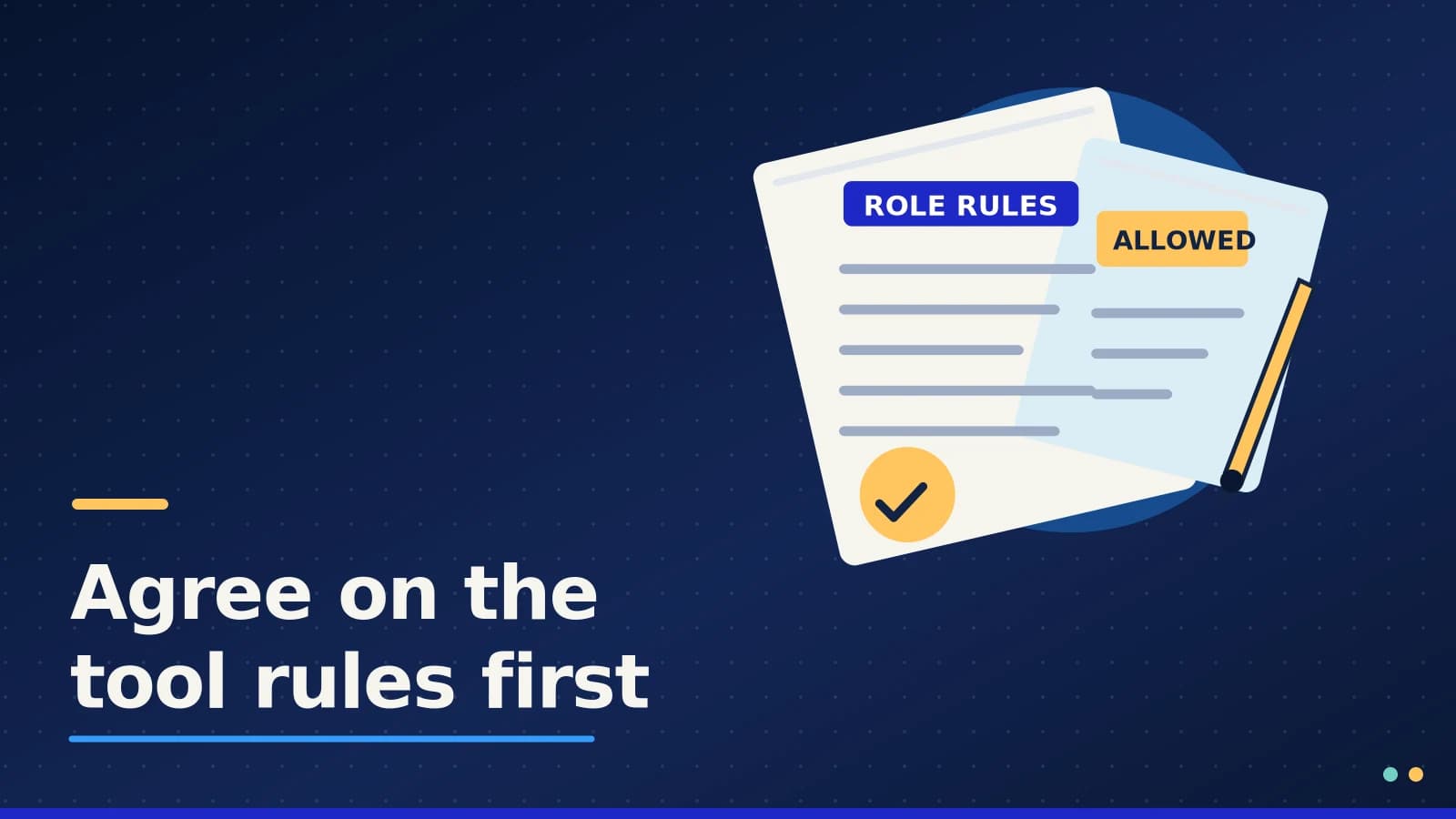
Also decide who will provide product direction, testing, security review and final acceptance. A staffing firm can’t fill responsibilities you’ve left undefined. Sorting those out before the consultant starts gives that person a better chance to spend time solving the problem rather than waiting for answers.
7. Your business deadline can’t wait for a permanent hire
A hiring process and a project deadline don’t always line up. An outside specialist can help bridge that gap, but speed shouldn’t become the only reason to choose someone. Getting the wrong person started quickly still leaves you with the original problem.
Ask the staffing firm how it checks relevant experience, confirms availability and handles a mismatch. At SilverXis, staff augmentation starts with an agreed brief, and you interview the shortlist before anyone joins. Your team directs the specialist’s work, so the assignment needs to reflect the support you can provide.
Start with the problem, not a wish list
You don’t need a perfect job description before talking to a staffing firm. A one-page brief is a better start: what you need to accomplish, what’s in the way, the experience needed, the likely duration and who will direct the work. Include what should be handed over when the assignment ends.
Be upfront about whether you need advice, another contributor or a team to handle delivery. That gives the firm something more substantial to work with than keywords and helps you judge whether its recommendation fits.
To explore SilverXis’s Staff Augmentation and Dedicated Teams, start with the Build My Team inquiry. Describe what’s holding up the work and the help your team needs.
About the Author
Jeanie Jones Senior Business Development Manager
Jeanie Jones is Senior Business Development Manager at SilverXis, focused on software consulting, technical specialists and development support. She helps businesses clarify their needs, evaluate engagement options and understand the value and responsibilities behind a proposal. Her perspective connects the expertise a business wants to buy with the work it needs to accomplish.
No commitment required · Response within 24 hours · Free discovery call
We use cookies to understand how our site is used. Necessary cookies keep the site working. With your permission, we’d also use analytics cookies to improve it. You can change your mind anytime in Cookie settings. Cookie Policy