The Cybersecurity Hiring Problem Isn’t the Same for Every Employer
By Jeanie Jones6 min read
A November 2026 study from Georgetown University’s Center for Security and Emerging Technology challenges a familiar assumption: unfilled cybersecurity jobs don’t necessarily prove a nationwide shortage of qualified people. Its finding is more specific. Hiring pressure is concentrated in certain occupations, industries and locations. For employers looking for technology consultants, that changes how I would approach the search.
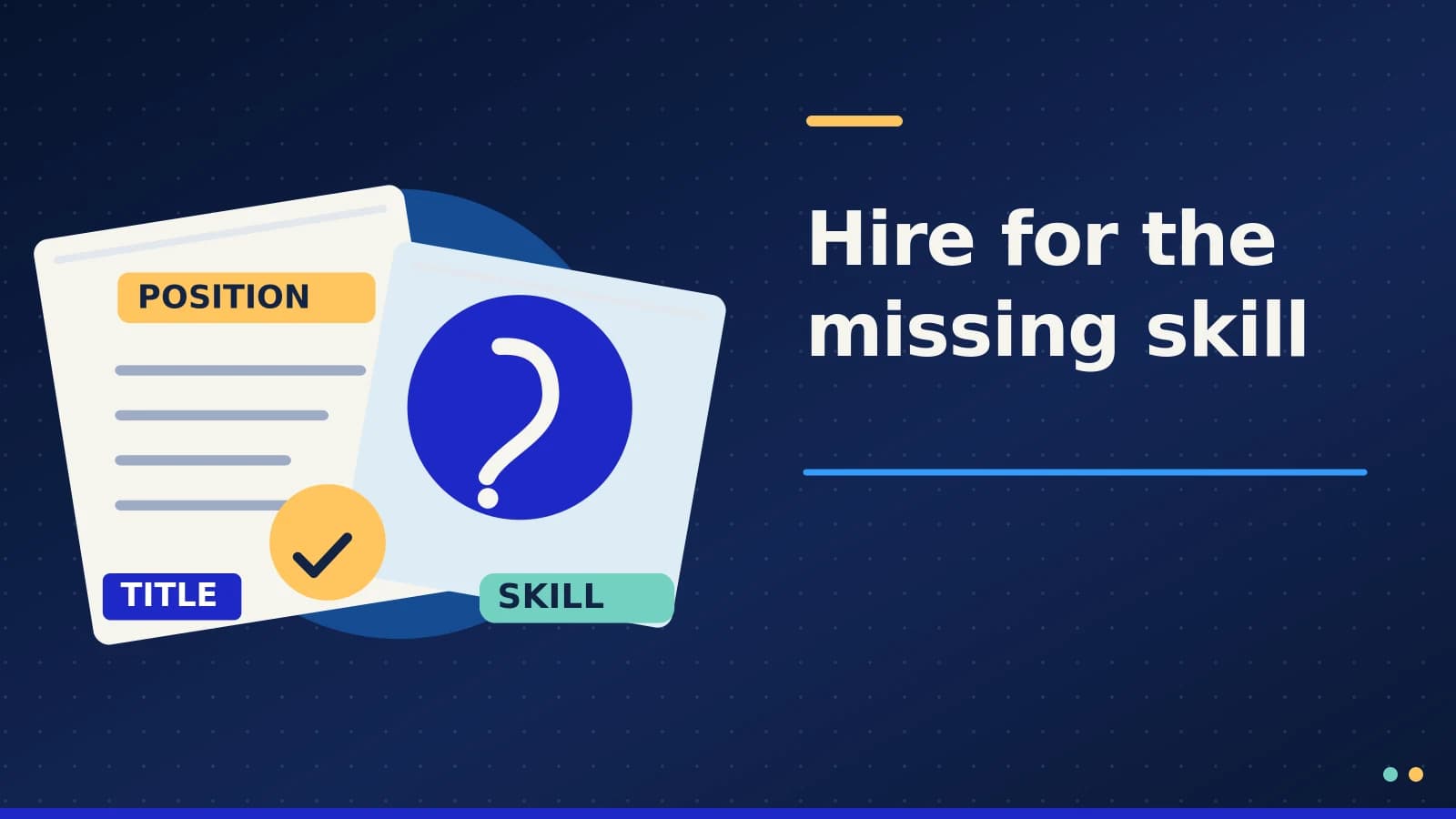
The researchers’ Cyber Shortage Paradox report looks at demand, wages and worker mobility instead of treating every vacancy as evidence of the same problem. It doesn’t tell an individual employer which consultant to hire. It does raise a fair question for any business with an open security role: Are we trying to buy a skill that is scarce in our market, or have we described the work in a way that makes the right person hard to find?
Don’t start by asking for every security skill on one resume
Cybersecurity has become an umbrella term for very different responsibilities. Someone who can investigate a security incident isn’t automatically the person who should design an identity program. A strong cloud engineer isn’t necessarily an expert in demonstrating compliance to an auditor. Those jobs overlap, but they aren’t interchangeable.
I think employers can make a search harder by bundling several distinct needs into one senior job description. The resulting wish list sounds reassuring until candidates read it. A person with the specialty you truly need might decide the position is something else entirely. Meanwhile, an applicant with a broad background can appear to match the keywords without having handled your highest-risk problem.
Georgetown’s findings about occupational and regional mismatches make this worth checking before blaming the labor market. Write the business problem first. Then identify the part that requires specialist judgment, the part an existing team can own and the part that could be taught or documented after the immediate issue is resolved.
A consultant can close a gap without becoming the whole department
There are cases where a permanent hire is exactly what the business needs. Ongoing ownership of security policy, incident response and the relationship with business leadership should not disappear when a project ends. But a defined assignment may call for concentrated expertise rather than another generalist head count.
For example, reviewing a specific cloud configuration, examining access privileges or preparing a technical remediation plan are bounded categories of work. That is a description of possible assignments, not a claim that every organization can resolve its security needs with a short contract. What matters is who will own the recommendations after the specialist leaves.
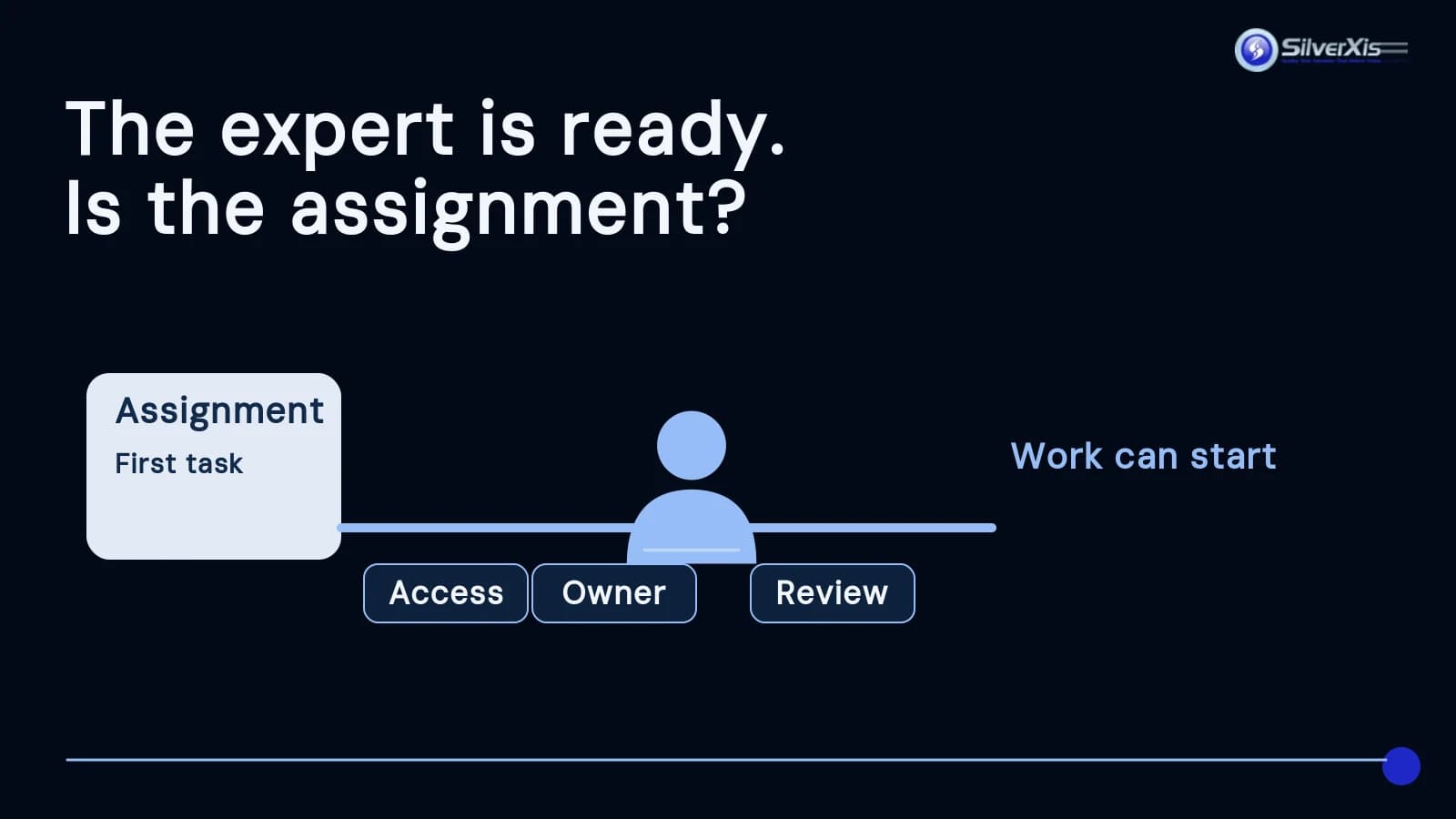
An employer buying consulting help should decide what the consultant will examine, what evidence they’ll deliver and who on the internal team can act on it. If there isn’t an internal owner for the work, an outside report may become a very expensive document that nobody uses.
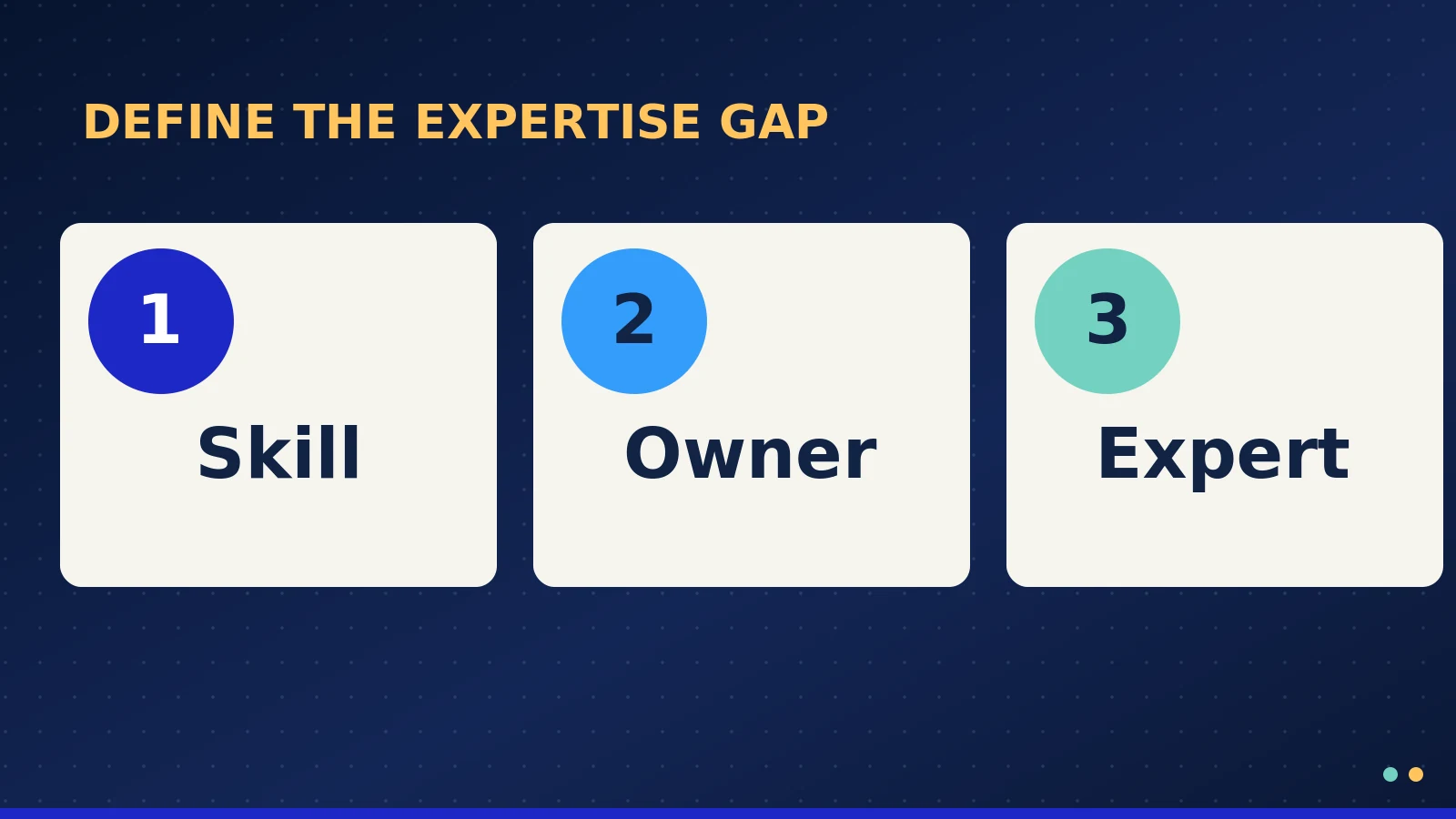
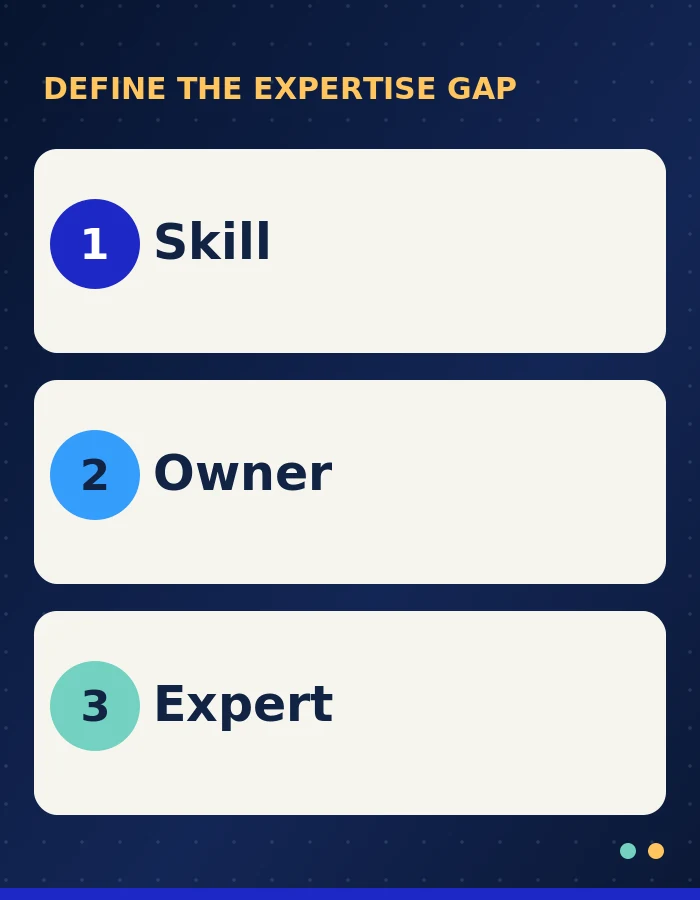
Consultant search: identify the missing skill, assign permanent ownership and target the specialist needed.Consultant search: identify the missing skill, assign permanent ownership and target the specialist needed.
What changes when the local market is the constraint?
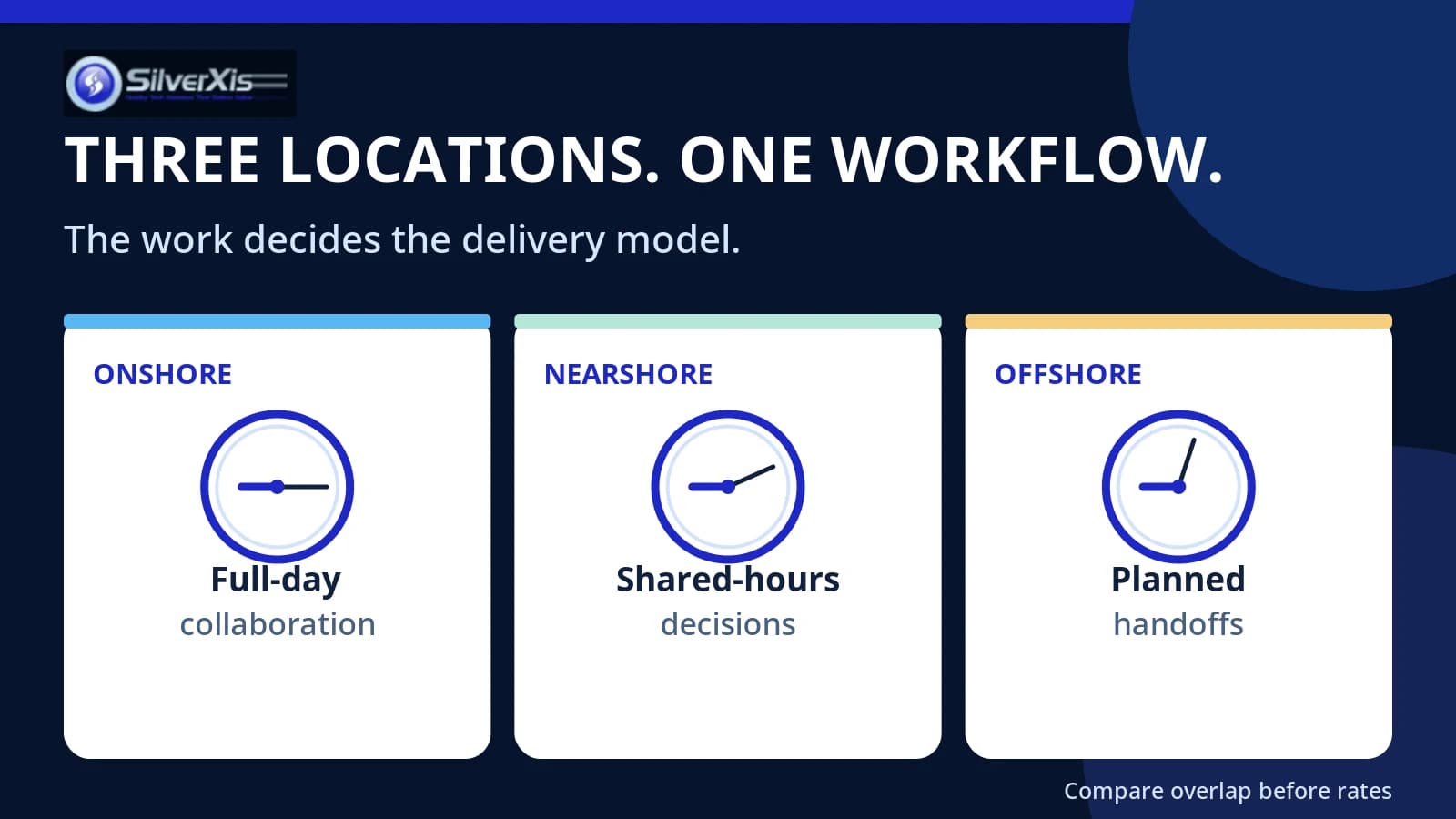
Georgetown’s study specifically cautions against treating the cybersecurity labor market as uniform. Geography matters, but so do industry needs and the types of roles employers are trying to fill. That doesn’t mean remote work is always appropriate. Certain engagements require on-site access, regulated environments or work during particular hours. It means employers should explain those constraints instead of burying them at the bottom of a general job listing.
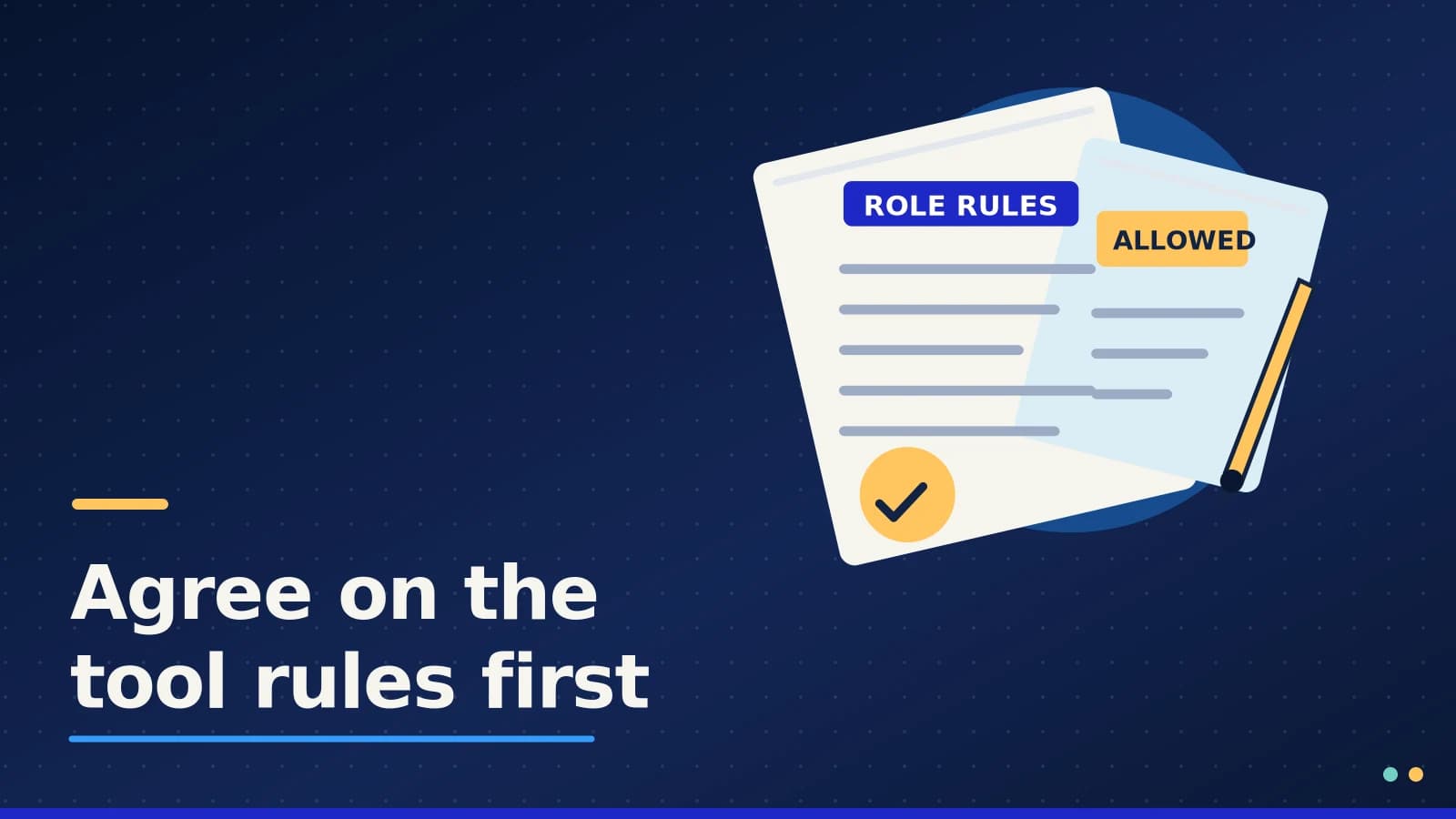
I would separate true nonnegotiables from preferences. Does a consultant need to be present to work with equipment? Do they need experience with a particular regulatory framework? Must they collaborate with an existing security lead during a set window? These answers help narrow the search for good reasons. Requiring every candidate to have the same past title or work in the same city may narrow it for reasons that have little to do with the job.
This is also where the engagement model matters. Staff augmentation works when the employer has a person ready to direct the specialist’s daily work. Consulting fits when the business needs help deciding what the technical approach should be. A dedicated delivery team makes sense when the client wants the outside partner responsible for a defined result. At SilverXis, those are different ways of working, not different names for the same purchase.
Compare the evidence, not the size of the candidate list
A long shortlist can look productive without moving an employer closer to a decision. I’d rather compare candidates against the actual security problem. Ask what similar work they have done, what evidence they can show, where their responsibility ended and what they would need from the employer to begin. Those answers make a better conversation than counting technology terms on a resume.
The Georgetown report doesn’t promise that careful scoping will solve hiring pressure everywhere. Its contribution is to push us away from one broad shortage story. Employers can apply that lesson immediately by describing the capability they need and being realistic about where that capability is available.
If you’re trying to fill a specific technical capability gap, SilverXis Staff Augmentation and Dedicated Teams starts with Build My Team and an agreed brief so the search follows the work rather than a generic title.
Jeanie Jones is Senior Business Development Manager at SilverXis, focused on software consulting, technical specialists and development support. She helps businesses clarify their needs, evaluate engagement options and understand the value and responsibilities behind a proposal. Her perspective connects the expertise a business wants to buy with the work it needs to accomplish.
No commitment required · Response within 24 hours · Free discovery call
We use cookies to understand how our site is used. Necessary cookies keep the site working. With your permission, we’d also use analytics cookies to improve it. You can change your mind anytime in Cookie settings. Cookie Policy