A Developer’s Tool Rules Belong in the Recruiter’s First Call
By Steve Flad6 min read
Stack Overflow’s 2026 developer survey found that 48% of respondents trusted AI output when they could easily verify it. That question drew 14,304 responses in a self-selected survey. The number doesn’t tell me whether a particular developer will be right for a particular job. It tells me something else: People bring different expectations about the tools they can use, and a recruiter shouldn’t leave those expectations to be discovered after an offer.
The 2026 Stack Overflow survey separates people who trust output for limited, verifiable tasks from those comfortable relying on it for important decisions. Hiring teams have differences of their own. Some allow coding assistants during assessments and daily work. Others restrict tools because of confidentiality, customer requirements or the kind of work being performed. A recruiting conversation is the right place to make those boundaries visible.
The job description needs one more kind of requirement
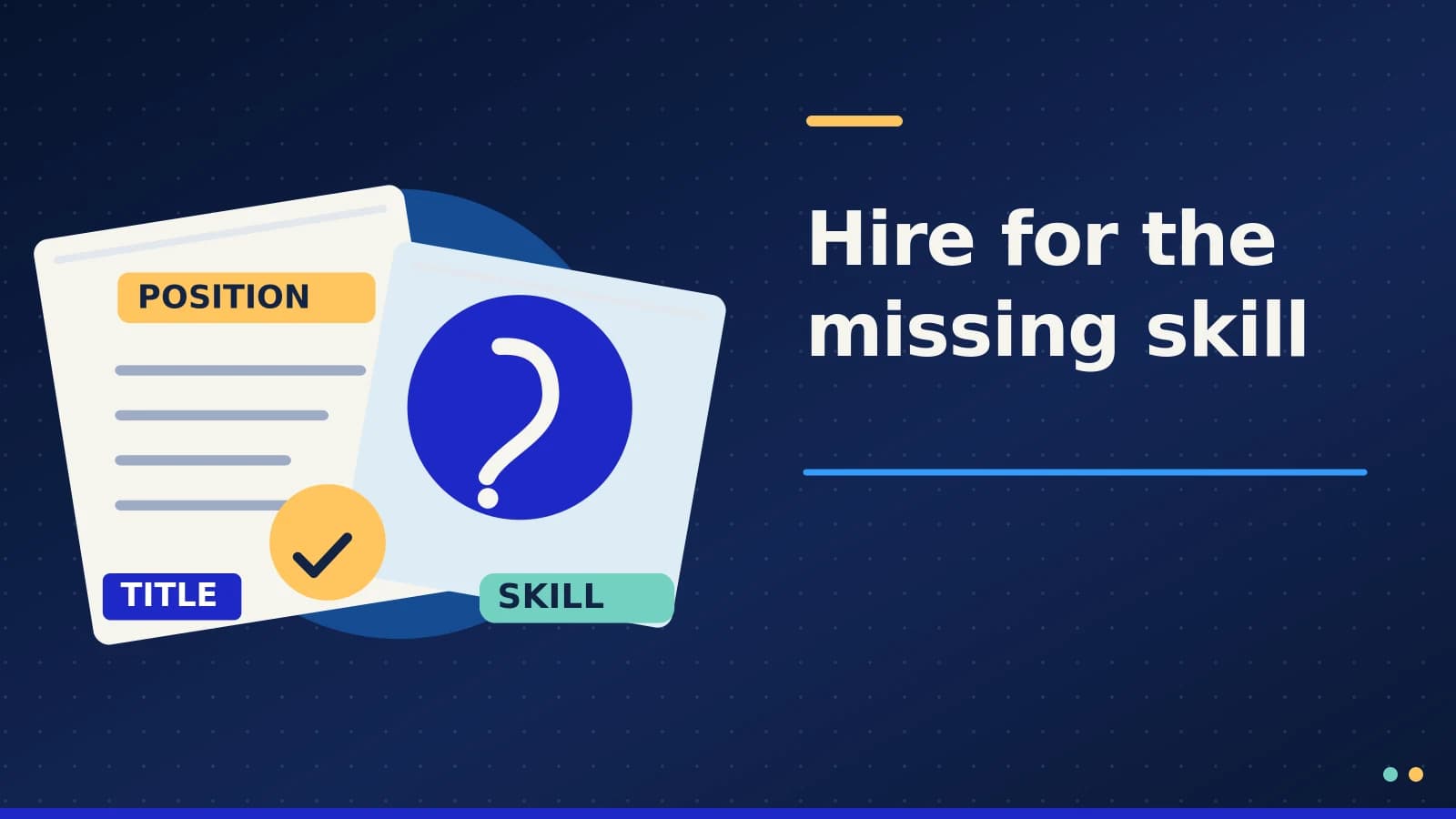
A technical brief usually names programming languages, platforms, experience and working hours. It may never say what tools the developer is permitted to use. That omission can make an otherwise promising match fall apart. A consultant may have worked productively with assisted coding in one environment and discover that the next client requires all work to stay inside an approved development system.
Neither policy is automatically unreasonable. The problem is expecting someone to guess it. I would ask the employer whether coding assistants are permitted, what information may be shared with them and who can approve exceptions. Are personal accounts prohibited? Does the rule apply to an interview exercise as well as the actual assignment? These details belong beside access and working expectations before candidates are screened.
This is not about loading a job posting with legal language. A short statement of what is allowed and what is not gives a candidate a fair basis for deciding whether the assignment fits.
Make the assessment and the real job agree
An interview should not quietly test one way of working when the employer expects another after the start date. If candidates are asked to complete an exercise without external tools, say so in advance. If the team wants to watch how people use approved assistance, make that equally explicit. Explain what evidence the interviewer wants to see and who will assess it.
The recruiter doesn’t need to become the technical examiner. The recruiter does need to make the rules consistent. Two candidates shouldn’t receive different instructions because they spoke to different interviewers. Nor should a candidate be judged for disclosing tool use that the invitation never prohibited.
Once the client decides the policy, the candidate can prepare for the process fairly. The technical interviewer can judge the work. The recruiter can keep the assignment, assessment and expectations aligned.
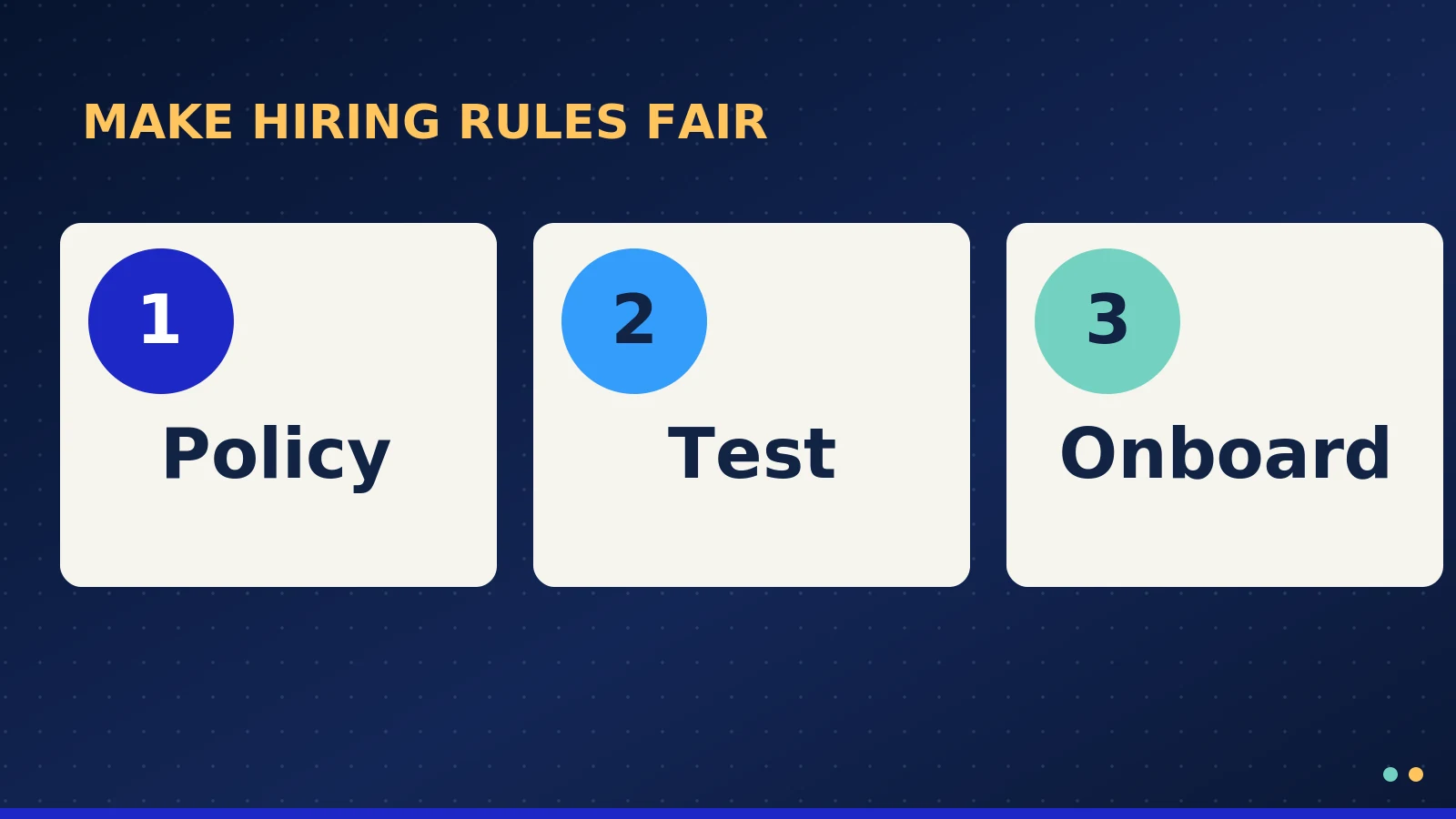
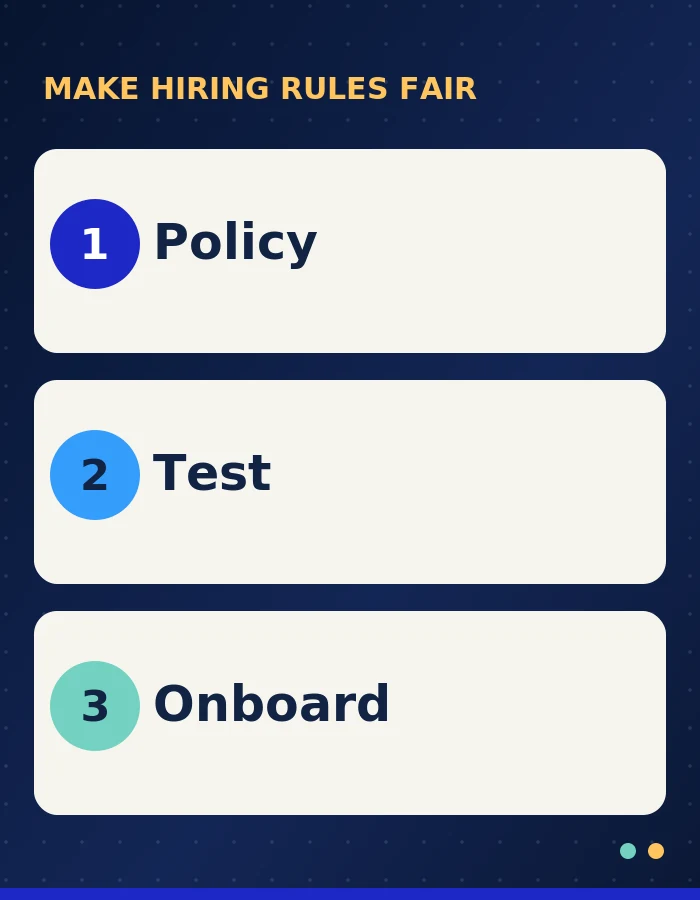
Recruiter brief: specify permitted tools, assess candidates by the same rules and prepare for day one.Recruiter brief: specify permitted tools, assess candidates by the same rules and prepare for day one.
Explain the constraints without turning them into a sales pitch
It’s easy to treat familiarity with a popular tool as proof that a person is more productive. I wouldn’t do that. Experience with a tool is relevant only if the work calls for it and the candidate can operate within the client’s rules. The Stack Overflow findings describe survey respondents’ habits and trust levels. They aren’t a hiring score or a measure of individual competence.
If a client needs a developer comfortable using approved assistance, ask what work they have done in that kind of environment. If a client cannot permit the same tools, explain the reason as far as confidentiality allows. Then ask whether the person is willing and able to work under those conditions. That’s a better match discussion than praising or criticizing the technology in the abstract.
The employer also has responsibilities. Tool permissions can change when a consultant moves from testing to production or starts handling sensitive data. Someone has to provide the actual policy and access details. A recruiter should not invent restrictions or promise exceptions on the client’s behalf.
The first week should not contain a policy surprise
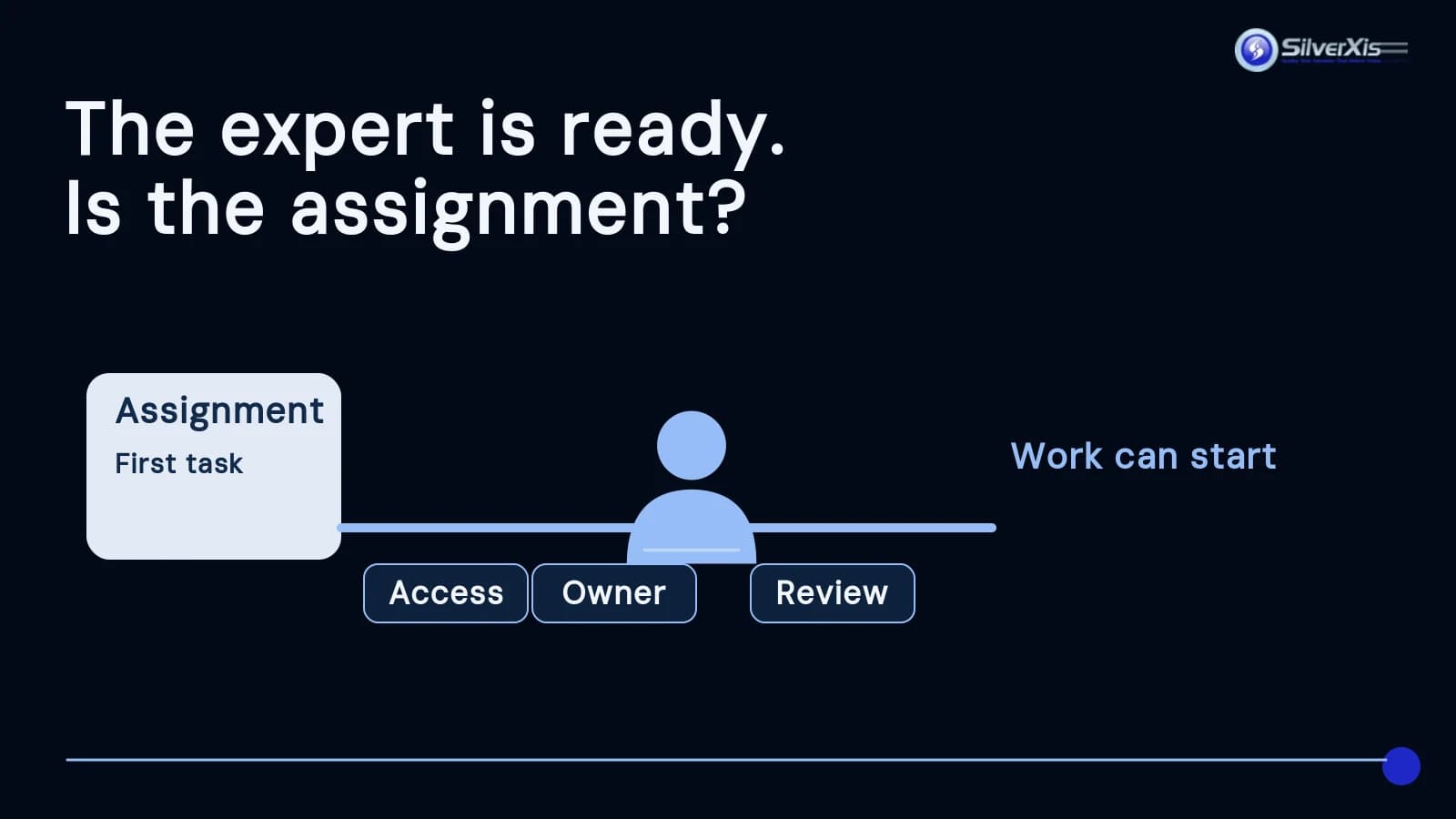
Before the start date, I’d want the new consultant to know who approves tools, where the relevant documentation lives and who answers a question if a rule is ambiguous. If the client has a required environment, arrange access before the first task. If a tool is disallowed, say it plainly instead of waiting for a security alert to explain it.
The same preparation protects the employer. A consultant can be technically well matched and still lose time waiting for access or being told to redo work under a rule that was never shared. A short conversation before the assignment can prevent that needless friction.
SilverXis’s recruiting approach starts with the real assignment, relevant experience and the conditions that make the placement work. Tool policy is one more condition to get right. It doesn’t replace technical screening. It helps make screening fair and the eventual assignment more predictable.
The Stack Overflow survey offers a timely reason to ask the question, but the answer belongs to each employer and each role. A candidate shouldn’t have to find out on day one that the way they were interviewed is not the way they’re allowed to work.
For an employer building a consultant brief, use SilverXis Staff Augmentation and Dedicated Teams. Select Build My Team and include the approved tool environment and any restrictions along with the technical requirements.
Steve Flad is Staffing and Fulfillment Manager at SilverXis, working with technical candidates, software consultants and hiring teams. His recruiting perspective connects project requirements with relevant experience, candidate fit and placement readiness. He focuses on the practical details that help both sides understand an assignment, including responsibilities, collaboration, expectations and onboarding.
No commitment required · Response within 24 hours · Free discovery call
We use cookies to understand how our site is used. Necessary cookies keep the site working. With your permission, we’d also use analytics cookies to improve it. You can change your mind anytime in Cookie settings. Cookie Policy