The Software Launch Is Scheduled. Who Has Time to Change How They Work?
By silverxis-admin6 min read
TSB Bank completed a major data migration in April 2018, yet customers still lost access to essential banking services. The Financial Conduct Authority’s account of the TSB migration reports that the new platform suffered technical failures even though the data itself had moved successfully. A migration milestone and an operationally successful launch were not the same achievement.
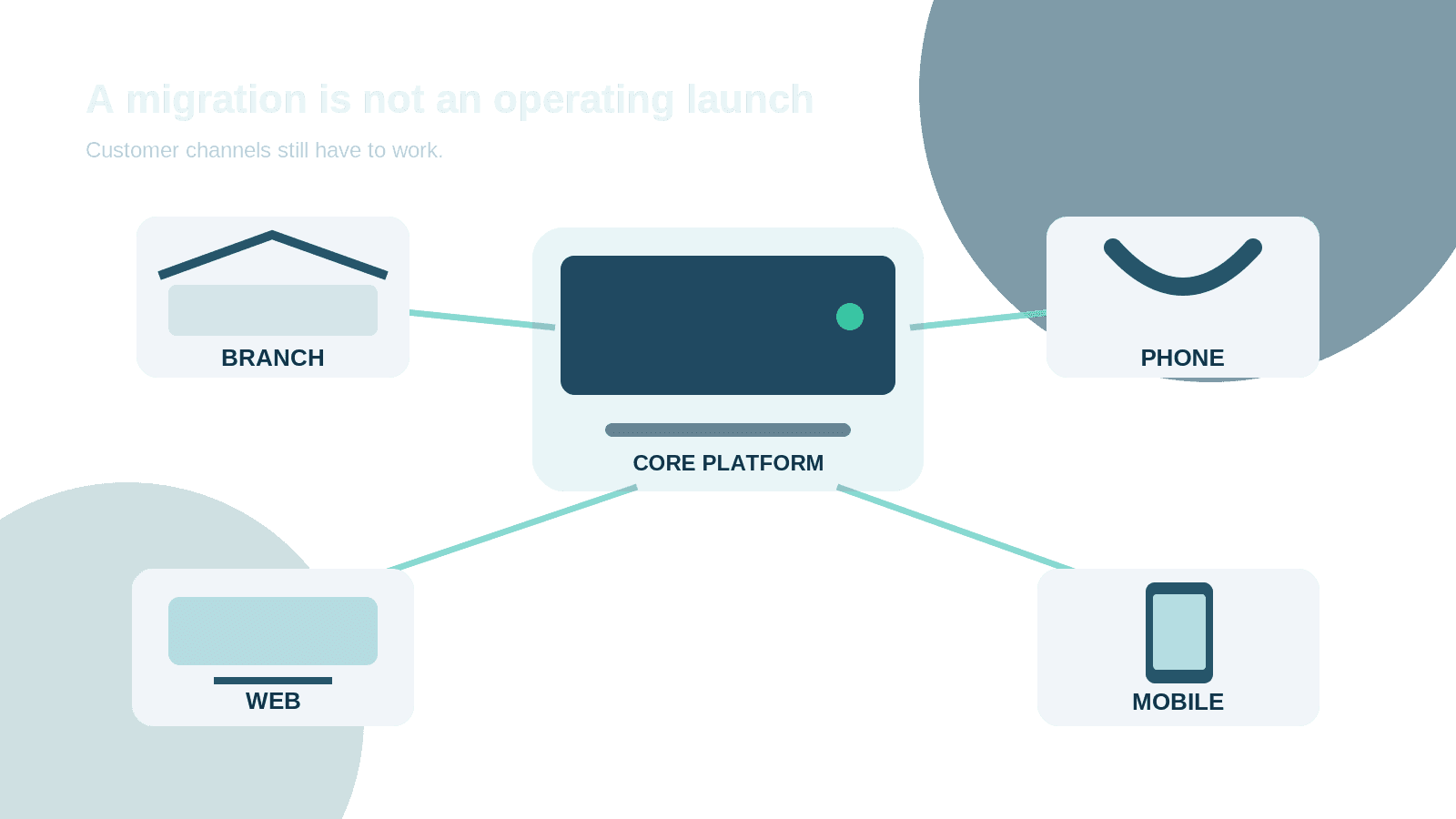
The disruption reached branches, phone banking, online banking and mobile banking. TSB is an unusually public example of a problem other organizations face on a smaller scale: leadership approves a technology project, but the operation still has to absorb the change. A launch date is not an operating plan.
The business absorbs what a project plan leaves out
Software investment competes with the work already keeping customers served. When an enterprise system changes, someone must reconcile records, answer questions, run exceptions and decide whether to revert a process. That work rarely fits neatly inside a developer’s completion percentage. It belongs in the organization’s capacity plan before the release.
TSB’s experience is a reminder to map the entire customer journey, not only the central application. A customer who cannot use a mobile app calls support. A branch colleague needs reliable information to respond. Leaders should ask which teams take on more work when a digital route fails and whether those teams have authority and staffing to handle it.
Migration is not continuity
The FCA says TSB’s data migrated successfully, while the new platform immediately developed faults that disrupted multiple banking channels. The acceptance test must extend beyond moved records.
That distinction changes the questions at the investment meeting. Instead of asking only whether implementation fits the budget, ask what operating capacity disappears while employees learn the new process. Determine what customer service will look like during a staged transition. Set a threshold for stopping or pausing a release.
Assign decisions before exceptional days arrive
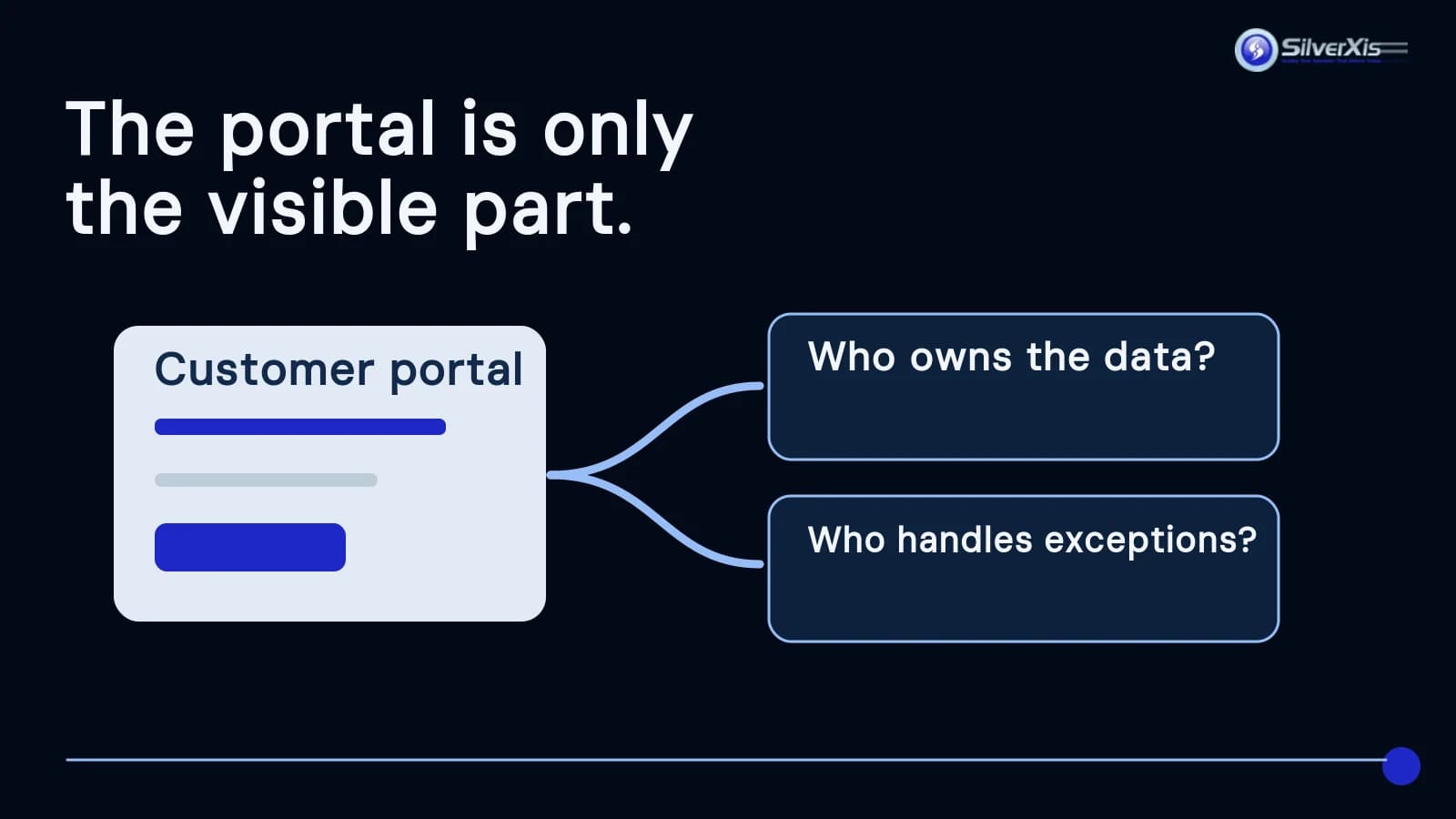
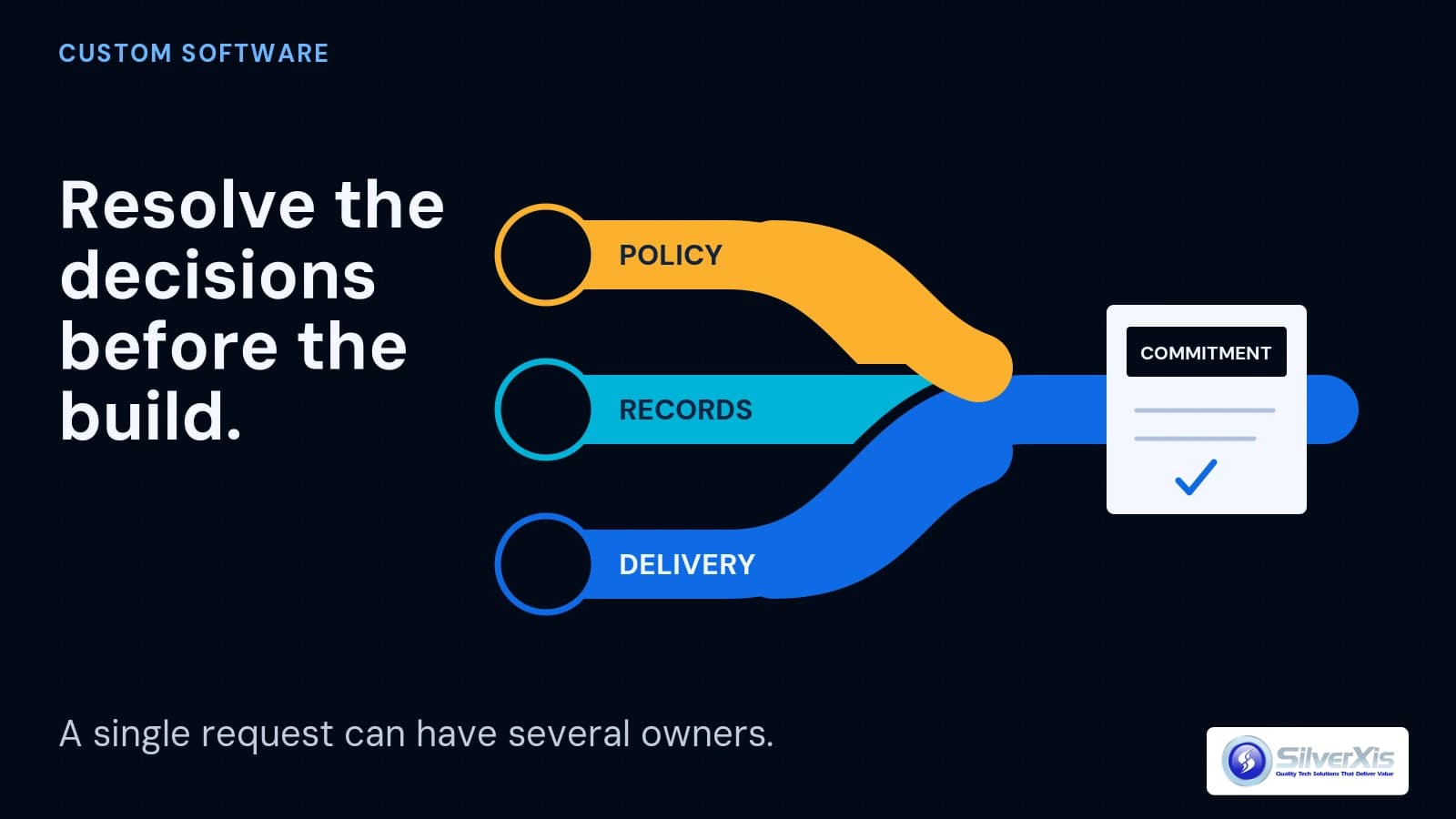
A rollout creates choices that cannot wait for the next steering meeting. Who decides that a customer-facing process is unavailable? Who authorizes the alternate route? Who owns the resulting backlog? Who tells customers what happened? These are leadership decisions because the consequences span departments and budgets.
In a healthy transition, owners are named before launch and their choices are rehearsed. Rehearsal is not a presentation that every team watches. It is a short operating exercise in which an order, account or service request crosses boundaries. At each boundary, the receiving team knows what information arrives and what happens if it is wrong.
TSB’s bankwide disruption underscores why leaders must not assume a technical service desk is the entire recovery organization. Customer service, compliance, finance and frontline management can all inherit tasks. The objective is to make those dependencies visible while changing the plan is still inexpensive.
Four commitments behind the launch
Time
Protect practice and transition work
Authority
Settle cross-team decisions
Continuity
Cover essential customer work
Evidence
Observe completed real tasks
Readiness is an operating commitment.
Ask about the next affected team
If a digital channel stops, which team receives the next customer request, and what information will that team have? A missing answer identifies an operational dependency.
Make room to adopt the new way of working
People cannot learn, test and refine a new process while every normal expectation stays unchanged. Operational leaders must choose which work pauses, which service levels need temporary cover and which experienced employees can participate in testing. Without that tradeoff, adoption becomes unpaid overtime or a series of shortcuts.
Retaining the old process briefly can protect continuity, but it must have an explicit purpose. Two systems accepting changes independently create uncertainty about which record governs. Define when the old workflow is read-only, how exceptions are resolved and who may authorize the final cutover. The technical migration and the business handover then become related but separate checkpoints.
For TSB, the visible consequences appeared in customers’ daily access to banking. For another organization, the first signal could be delayed invoices, missed appointments or employees keeping private spreadsheets. Treat those examples as operating symptoms, not evidence that all organizations will suffer TSB’s scale of disruption.
Judge success by completed work, not logins
Usage counts show that people opened software. They do not show whether the team can complete an ordinary task without extra calls or manual repair. Before launch, choose a few end-to-end tasks that customers and employees actually depend on. After launch, observe whether those tasks finish accurately and whether support demand is shrinking.
SilverXis’s view is to modernize incrementally while the business continues running. Integrating what already works can be better than a dramatic replacement. Staged launches and visible sprint reviews put operating consequences in front of decision-makers early, before a large change becomes difficult to reverse.
Define the completion test
Can the responsible employee finish the task, handle an exception and tell the customer what happens next without returning to an unofficial workaround?
The lesson from TSB is not that technology change should stop. It is that leadership owns continuity, the people-time required for adoption and the definition of success. A working application is one component of a working business. Build the operating commitment into the decision before signing off on the launch.
For a staged software decision, request a SilverXis Build Plan and map the workflows, transition dependencies and cost before development starts.
About the Author
Charles Jones Chief Operations Officer
Charles Jones is Chief Operations Officer at SilverXis. His work focuses on the organizational impact of technology, major software initiatives and emerging capabilities. He brings an operations perspective to investment priorities, delivery capacity, adoption and business performance, helping leadership consider what a technology decision will require across the organization.
No commitment required · Response within 24 hours · Free discovery call
We use cookies to understand how our site is used. Necessary cookies keep the site working. With your permission, we’d also use analytics cookies to improve it. You can change your mind anytime in Cookie settings. Cookie Policy