Before Hiring a Technology Consultant, Make the Assignment Worth Accepting
By Jeanie Jones9 min read
Before hiring a technology consultant, define the first assignment and the access the consultant needs on day one, then name the person who directs and reviews the work. A clear brief gives candidates something real to respond to and gives the employer a fairer way to compare them.
An employer can find an experienced developer and still have a disappointing engagement. The reason isn’t always the person. Sometimes the consultant arrives to find that nobody has settled what work comes first, who can approve a decision or which systems they are permitted to use. The employer bought expertise without preparing a place for it to work.
GitLab offers a particularly direct example. Its public guidance for hiring contingent workers tells its engineering teams to specify the work, acceptance criteria and deliverables in the statement of work. It also addresses onboarding, access, team practices and code review. It is showing the responsibilities an employer must own even when a specialist is temporary.
An impressive resume cannot settle an unclear brief
When an employer requests a technology consultant, the opening conversation often starts with tools. They need React, Python, cloud experience or somebody who knows a particular platform. Skills matter, of course. But in business development, where I help employers scope consultant requests, I would put another question beside the technology list: What will this person be responsible for doing during the first few weeks?
If the answer is to help the team catch up, we’re not ready to describe the assignment. Which work is late? Is the consultant expected to write code under an existing technical lead, investigate a problem and recommend an approach or take ownership of a defined delivery? Those are different engagements, even when they involve the same software.
GitLab’s guidance makes this distinction visible. Its process asks the team to identify the scope and what counts as accepted work, rather than relying on a job title to carry the whole meaning. An employer doesn’t need a handbook that long to make a good request. They do need to answer the same basic questions.
What does success look like on Friday? Describe one piece of work the consultant should be able to show or explain by the end of the first week. Don’t make the answer a list of technologies.
What should an employer prepare before a consultant starts?
An employer can have a specialist ready to begin while the access request is still waiting for approval. The cost is not only an idle day. It can also create doubt about who is leading the project and whether decisions will arrive when needed.
Before the start date, confirm who directs the work, who answers technical questions and who can make a decision when priorities compete. Arrange the accounts, development environment and documentation the consultant is allowed to use. If security or compliance rules limit access, explain them early. A capable contractor shouldn’t be asked to improvise around controls that the organization has not explained.
A published contingent-worker workflow addresses system access and team practices along with the contract. That is a good reminder for employers that onboarding is part of the assignment, not an administrative event that happens after the hiring decision.
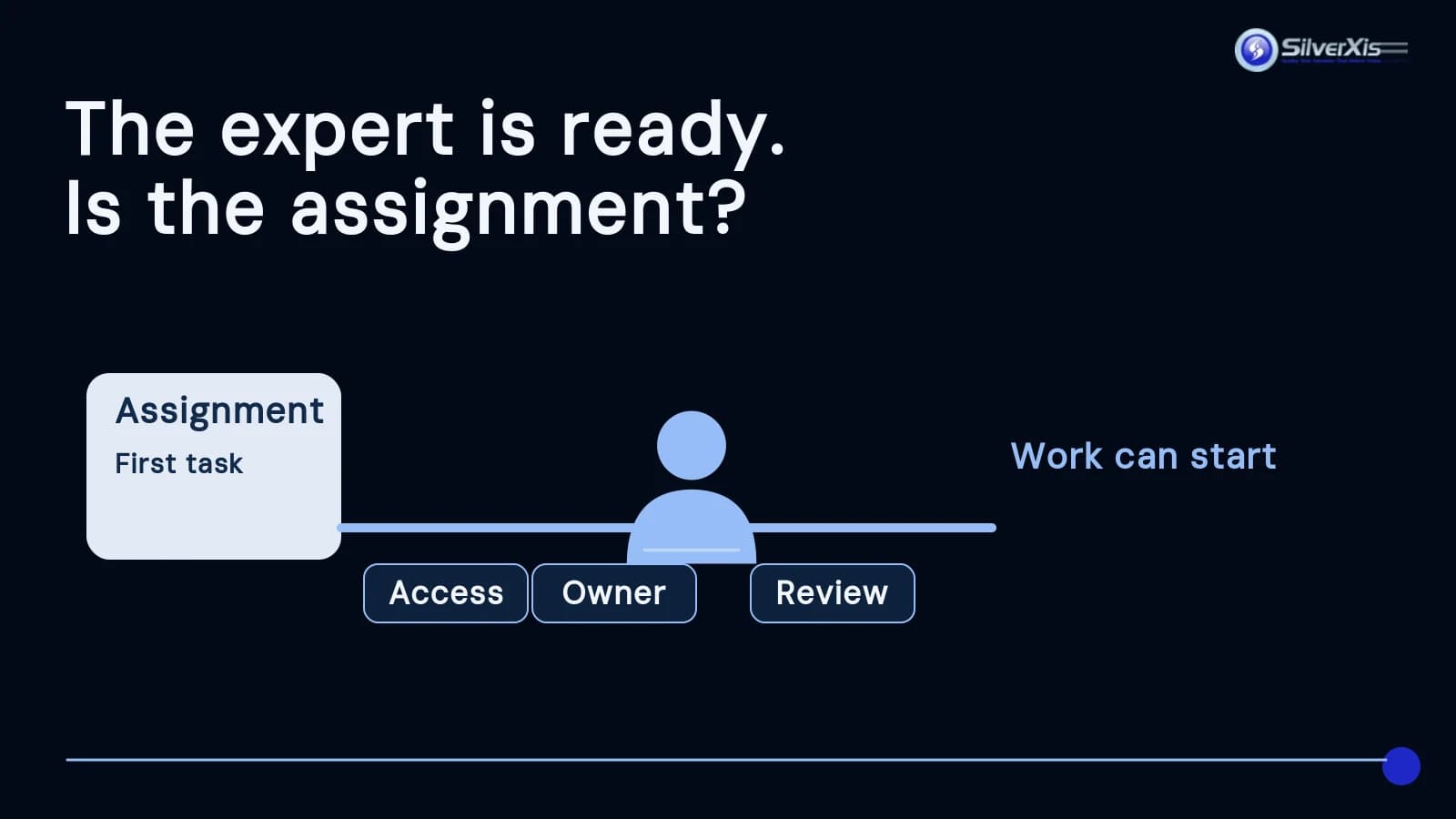
The readiness check: Ask the technical lead whether the consultant can complete the first assigned task with the access and guidance available on day one.
Access, decisions and review
belong to the employer.
Before start
Name the first task
On day one
Access + reviewer
A first-task definition only works when access and review are ready.
Who should direct the consultant’s work?
Not every employer needs the same service. If your team has a technical lead and a defined backlog, an added developer or technical specialist can provide the capacity you’re missing. The employer continues to set priorities and manage the work. If the problem itself is not understood, a consultant who can assess options before development starts may be the better first hire. If you want someone else accountable for delivery, you should evaluate a project team rather than assume a single contractor will fill that role. I covered the difference between those models in an earlier post. The point here is that the employer should decide it before the search begins.
At SilverXis, that distinction shapes how we discuss staff augmentation, consulting and dedicated teams. We should be able to explain who directs the work and what the employer remains responsible for. It is better to identify that responsibility before the engagement than to discover it when the first deadline slips.
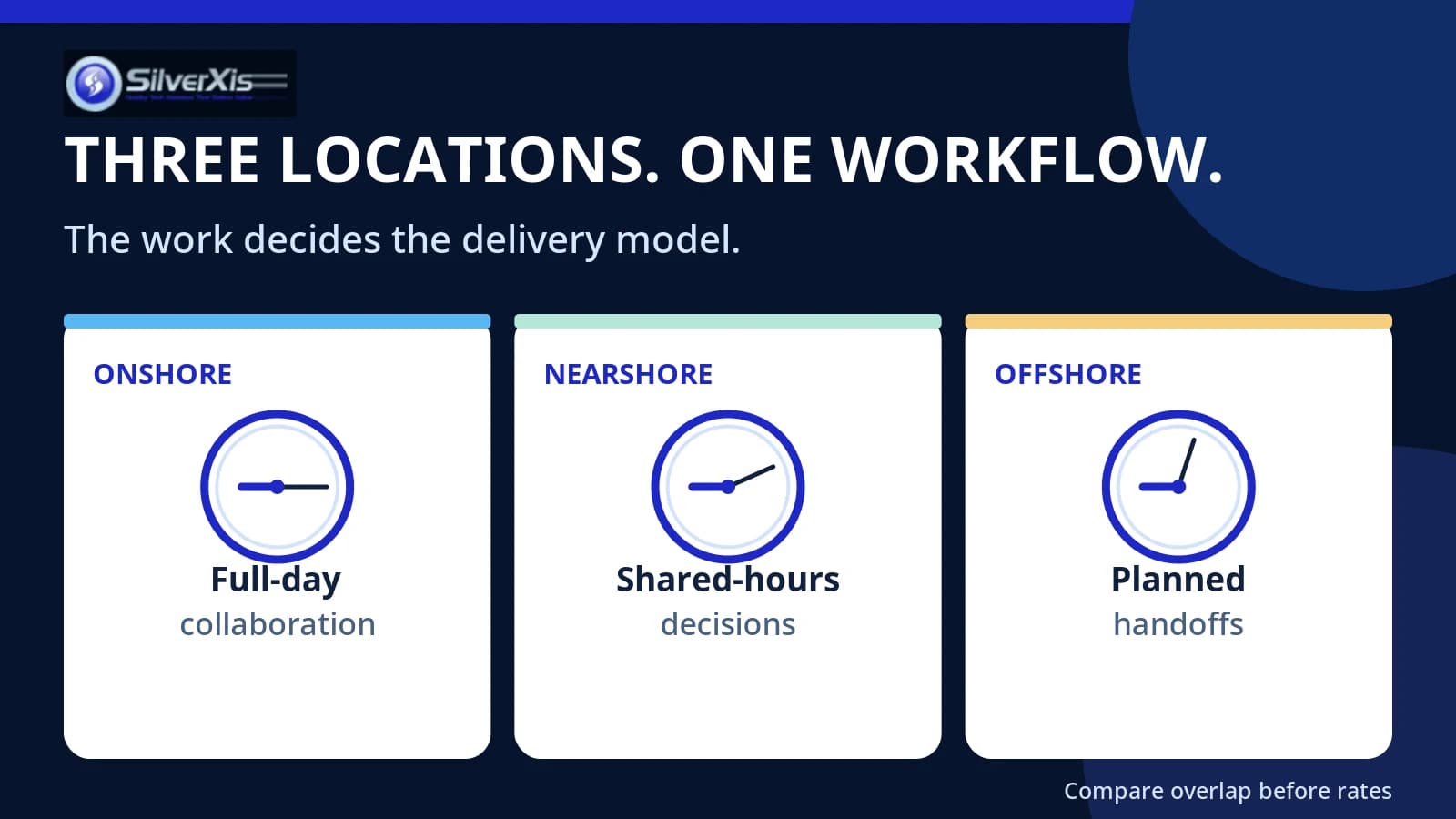
A matching conversation should also cover working hours, collaboration expectations, the length of the assignment and the kind of project evidence that matters. A strong candidate for an independent modernization review isn’t automatically the right person to join a tightly managed sprint team. Neither role is more impressive. They require different habits and support.
A better request brings better conversations
A short, specific brief gives candidates something genuine to respond to. Ask them to explain work similar to the assignment, what decisions they owned and where they depended on others. The employer then has a better basis for comparing people than a keyword match. The consultant also gets a chance to decide whether the assignment fits their experience. If you’re still deciding whether outside help is needed at all, start with the signs it’s time to bring in a consultant.
Public contractor guidance returns to the same issue through the entire contingent-worker life cycle. Once someone is selected, the employer still needs an agreement, access, team integration and a way to review contributions. None of those steps is proof that a placement will succeed. Together, they give the employer and the consultant a fairer starting point.
Before you approve a shortlist: Can every interviewer describe the same first assignment and name the person who will review the work? If the answers differ, correct the brief first.
When you’re ready to add capacity, start with SilverXis IT Staff Augmentation Services and choose Build My Team. Share the assignment, the decision owner and the first deliverable so the shortlist reflects the work, not just the tools.
What should a statement of work for a technology consultant include?
The scope of the work, the acceptance criteria and the deliverables, plus how your team works, such as update cadence or code review. GitLab’s public handbook tells its engineering managers to be as specific as possible on each of these.
What should be ready on a consultant’s first day?
Accounts, the development environment, documentation, a named technical contact and one first task the consultant can complete with the access provided. If security rules limit access, explain them before the start date.
How do I choose between staff augmentation, consulting and a dedicated team?
Decide who will direct the work. If you have a technical lead and a backlog, add capacity. If the problem is unclear, start with an assessment. If you want someone else accountable for delivery, evaluate a team.
About the Author
Jeanie Jones Senior Business Development Manager
Jeanie Jones is Senior Business Development Manager at SilverXis, focused on software consulting, technical specialists and development support. She helps businesses clarify their needs, evaluate engagement options and understand the value and responsibilities behind a proposal. Her perspective connects the expertise a business wants to buy with the work it needs to accomplish.
No commitment required · Response within 24 hours · Free discovery call
We use cookies to understand how our site is used. Necessary cookies keep the site working. With your permission, we’d also use analytics cookies to improve it. You can change your mind anytime in Cookie settings. Cookie Policy